Colorado Landowner Preference Program: what hunters need to know
By HuntHype Field Desk · Published · Updated
Colorado's Landowner Preference Program (LPP) gives Colorado Parks and Wildlife (CPW) a way to reward landowners whose ground carries deer, elk and pronghorn through the year. Enrolled landowners get vouchers, and they can transfer one directly to a hunter. That hunter then goes to CPW for the actual license. No middleman ever touches the voucher — here is how the whole chain fits together.
Why Colorado built a landowner program at all
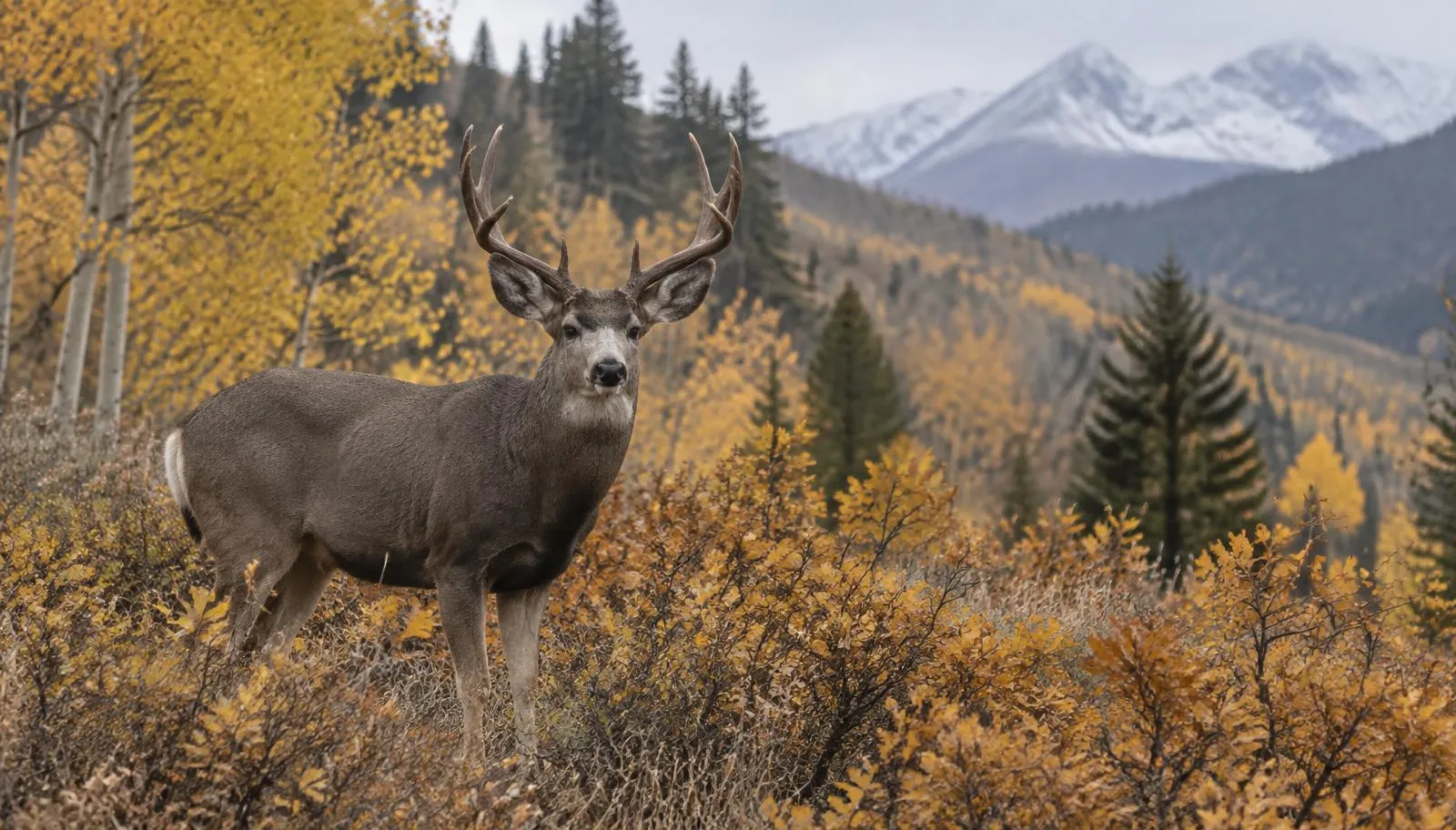
Picture a ranch family that has watched the same mule deer herd move across their hay meadows for three generations. They fence nothing off from wildlife, they leave water tanks running through drought years, and every fall a chunk of the state's best habitat sits on their private ground rather than public land. The Landowner Preference Program is CPW's way of saying that matters: it sets aside a share of licenses in certain game management units for landowners who provide that habitat.
The landowner doesn't get a license outright. They get a voucher — the right to have a license issued — which they can use themselves or hand to someone else. Program rules, unit lists, species and voucher counts are set by CPW and reviewed on a regular cycle, so treat anything you read here as background and check CPW's current information for the 2026 season before you make plans.
The rule that matters most: direct transfer only
Here's the part every hunter needs tattooed on the inside of their eyelids: a voucher can only move from the landowner, or their designated land manager, straight to the hunter. Nobody else can be in that chain. If a voucher gets brokered — handled, held or resold by a third party — CPW treats it as void, and the license issued off a void voucher is void too. That isn't a technicality you can talk your way around after the fact. It's the whole structure of the program.
That single rule is why HuntHype treats Colorado LPP listings differently from everything else on the site. We walk through the reasoning in why Colorado LPP vouchers cannot be brokered, and it's worth reading before you contact anyone.
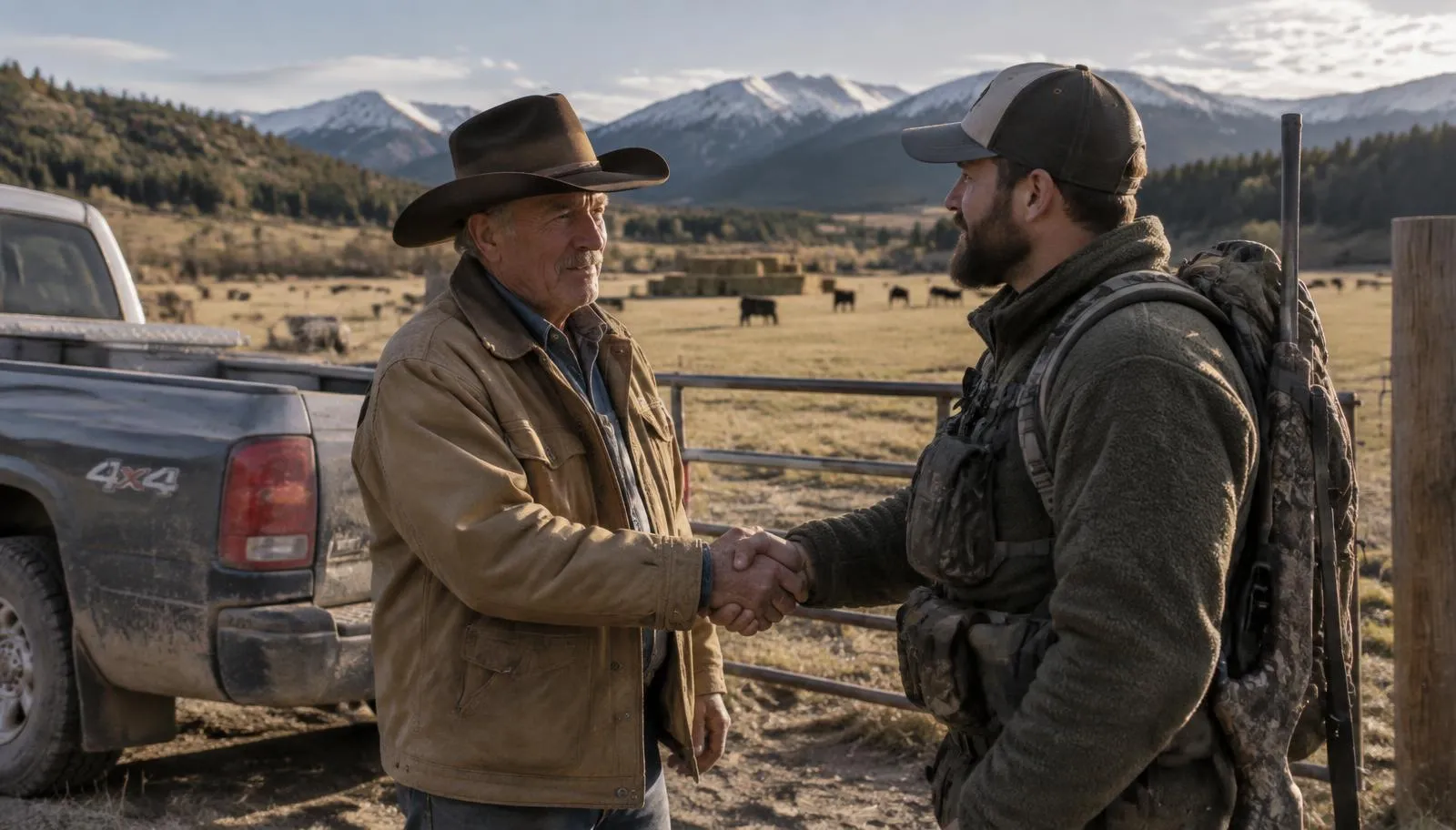
In Colorado, the voucher goes from the landowner to the hunter. Nobody else touches it.
Ranch-only vs. unit-wide vouchers
Like New Mexico's landowner authorizations, Colorado vouchers come in more than one flavor. Some are good only on the enrolled property; others are valid anywhere in the unit, including public land. Which one a landowner holds depends on the program rules tied to their enrollment, so don't assume. Ask directly, and if part of your plan involves hunting public ground in the same unit, confirm the voucher actually allows it before you build a trip around that idea.
What you still have to do with CPW
Getting the voucher is the beginning of the process, not the end of it. Once the landowner transfers it to you, you go to CPW and obtain the license yourself, in your own name. You still need hunter education if it's required for you, you still fall into whatever residency category applies to you, and you still meet every other condition CPW sets for that license. The landowner cannot get the license for you. HuntHype has no role in the license transaction at all — that piece is between you and the state.
How a HuntHype listing actually works
On HuntHype, a Colorado LPP listing reads like a classified ad in the back of a hunting magazine. It names the unit, the species, the season, whether the voucher is ranch-only or unit-wide, and what the landowner is offering in terms of property access. It may show an informational amount so a hunter can decide whether to reach out at all. From there, the listing has exactly one action: contact the landowner.
- HuntHype never owns, holds, ships or resells a voucher.
- HuntHype never collects the voucher amount and takes no cut of a transfer.
- No funds are held pending a voucher changing hands.
- The landowner is billed a flat $49 listing fee — due whether or not a hunter ever responds.
- Every term of the voucher deal is worked out directly between landowner or land manager and hunter.
Before you reach out to a landowner
Get your basics straight before you send a message: your residency, your weapon preference, the season you're chasing, and whether you want bare access or something more built out, like lodging. Read CPW's current LPP information so you're not asking a landowner to explain rules you could have looked up yourself. Then use the listing to make contact. Our companion guide on how to contact a Colorado landowner legally walks through exactly what to ask and what should make you pause.
Red flags that mean walk away
If anyone other than the landowner or their designated land manager wants to be the one handling the voucher, that's a problem. If you're told to send money to a third party instead of the landowner directly, that's a problem. If the person you're talking to can't name the enrolled property or the unit it sits in, that's a problem too. None of these are minor — each one puts the license you're hoping to hunt on at real risk of being voided.
Planning a season around a landowner voucher
These conversations tend to start months before opening day, so give yourself room. Settle on species and weapon early, check the unit's season dates in CPW's current regulations, and think honestly about how many days you can actually be in the field. Landowners field a lot of inquiries every year, and the ones who get a serious reply are usually the hunters who show up already knowing what they want.
Leave time for the transfer itself and for obtaining your license from CPW afterward — don't book flights or lock in a hunting camp until the landowner has confirmed the voucher and you understand the transfer steps. Keep your written agreement with the landowner, a record of the transfer, and your CPW license together in one place, and carry the license in the field the way CPW requires. If you're weighing a landowner voucher against a straight outfitted hunt, our guide on private land access vs. an outfitted hunt covers that trade-off in more depth.
See Colorado landowner listings
Colorado LPP listings are classifieds. You reach the landowner directly; the voucher transfer happens between the two of you.
Contact landownerFrequently asked questions
What is a Colorado LPP voucher?
A voucher CPW allocates to landowners enrolled in the Landowner Preference Program. The landowner can use it themselves or transfer it directly to a hunter, who then obtains the actual license from CPW in their own name.
Can HuntHype sell me a voucher?
No. HuntHype does not sell, hold, or broker vouchers. Colorado LPP listings are contact-only classifieds; the landowner and hunter handle the voucher and its terms directly, with no third party in between.
Who is allowed to transfer a voucher?
Only the landowner or their designated land manager, transferring it directly to the hunter, satisfies CPW rules. Any transfer that runs through another person or platform puts the voucher — and the resulting license — at risk of being voided.
Do I still need a license from CPW after the transfer?
Yes. After the voucher is transferred to you, you obtain the state license from CPW yourself, meeting every requirement CPW sets, including hunter education and residency category where applicable.
What happens if a voucher gets brokered?
Under CPW rules, a brokered voucher is void, and any license issued off it is void as well. That risk falls on the hunter, which is exactly why dealing only with the landowner directly matters so much.
Is a Colorado voucher the same as a license or a tag?
No. A voucher is the right to have a license issued. It is not itself a hunting license or tag. You still need to complete the license process with CPW before you can legally hunt.
Does a voucher work anywhere in the unit?
It depends on the voucher. Some are valid only on the enrolled ranch; others are valid unit-wide, including public land. Ask the landowner which type they hold before you make any plans around it.
Official sources
Seasons, fees and rules change every year. Always confirm with the state agency before you commit.
Related guides
Colorado LPP
Why Colorado LPP vouchers cannot be brokered
Under CPW rules a Colorado landowner voucher must move directly from landowner to hunter, or it's void. Here is what brokering means and how to stay clear of it.
Colorado LPP
How to contact a Colorado landowner about an LPP voucher
How to reach an enrolled Colorado landowner about an LPP voucher the right way — what to ask, what to agree, and how to keep the deal direct under CPW rules.
Legal basics
Banned listings: draw tags, party hunting and why we remove them
HuntHype removes listings for personal draw or OTC tags, another hunter's tag, party hunting, ID/WY/MT landowner tags and fake unit codes. Here is what each rule means and why it exists.