New Mexico Landowner Elk Authorizations, Explained
By HuntHype Field Desk · Published · Updated
A New Mexico landowner elk authorization is issued by the New Mexico Department of Game and Fish (NMDGF) to a ranch enrolled in the state's private land program. The landowner assigns it to a hunter, who then buys an elk license from NMDGF using it. You pay the seller for the authorization. You still buy the license, straight from the state, every time.
Why New Mexico hands elk authorizations to landowners
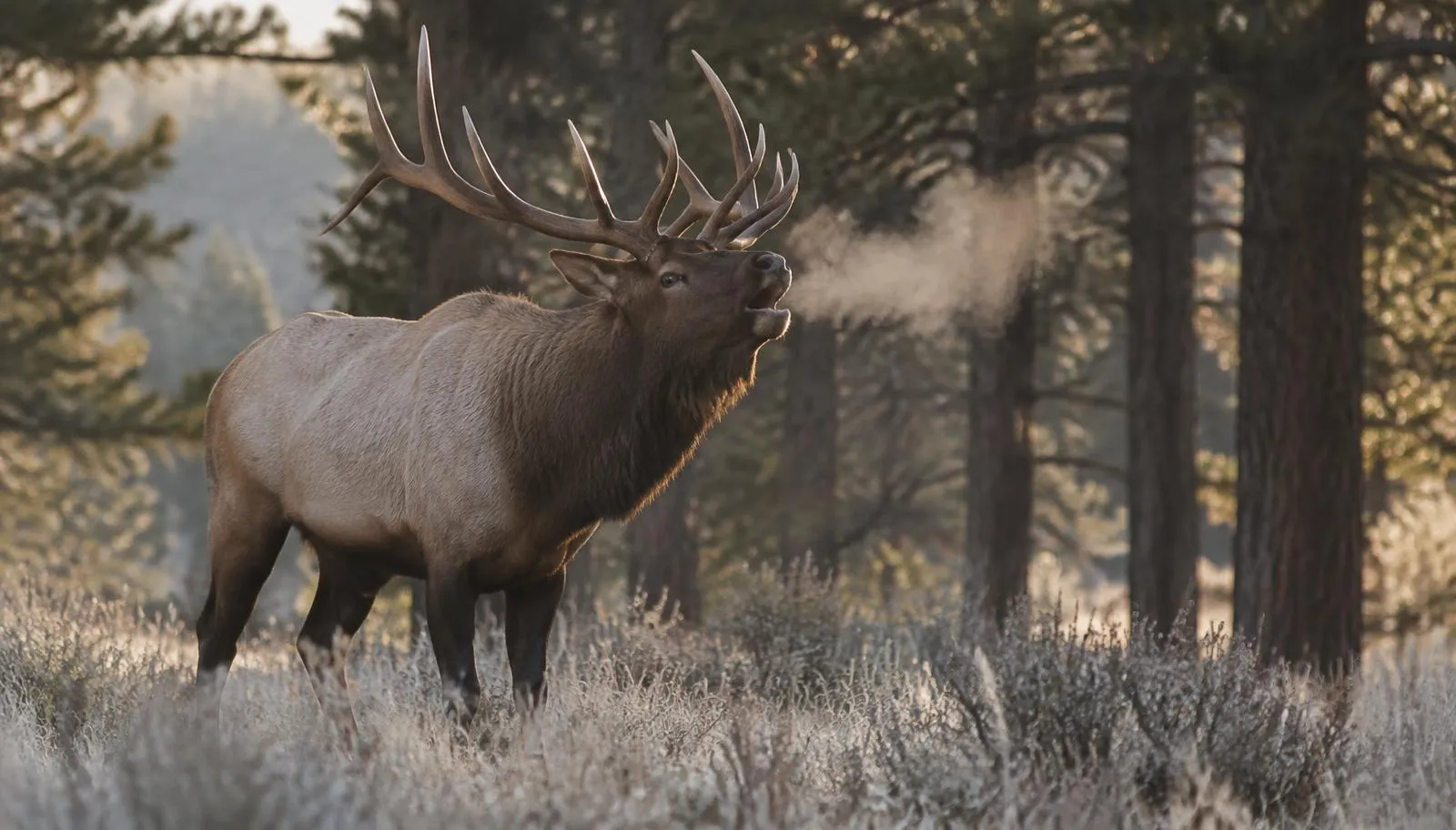
Most New Mexico bull elk spend the bulk of their year on private ground, drinking from stock tanks a rancher maintains and bedding in timber a rancher keeps quiet. The state built its private land program, commonly called EPLUS (Elk Private Land Use System), around that reality. NMDGF allocates a share of elk authorizations to enrolled properties based on factors the agency sets, things like acreage and habitat quality, and lets the landowner decide who hunts them.
That's the real difference between a New Mexico authorization and a personal draw tag. A draw tag belongs to one hunter and stays there. An authorization belongs to the landowner's allocation, and the landowner can pass it along to a hunter of their choosing — which is why a healthy market exists for these at all.
The draw tag belongs to a hunter. The authorization belongs to the land, until the landowner assigns it.
How the transfer actually happens
NMDGF publishes the exact process, and it can shift from one season to the next, but the general sequence has held steady for years:
- The landowner enrolls the property in the private land program and receives that season's authorizations.
- The landowner sets terms with a hunter — directly, through an outfitter, or through a listing on a marketplace like HuntHype.
- The authorization is assigned to the hunter following NMDGF's transfer process.
- The hunter buys the elk license from NMDGF, paying the state fee and meeting every requirement, hunter education, residency category, the works.
- The hunter hunts inside the rules tied to that specific authorization: the unit, the season dates, the weapon, and whether it's ranch-only or unit-wide.
Ranch-only or unit-wide — the detail that changes everything
Authorizations come in two broad flavors. A ranch-only authorization keeps the hunter inside the enrolled property's fences. A unit-wide authorization opens up the ranch plus any public land in the same game management unit. That single line in a listing changes price, changes how you plan your week, and changes how much your hunt depends on one piece of ground versus your own boots and legs. We break the tradeoffs down fully in ranch-only vs unit-wide NM authorizations.
What your money to the seller actually covers
When you buy an authorization through HuntHype, the price covers the landowner's authorization and, if the listing says so, access to the ground and whatever services come with it. It never covers the state license — that's a separate purchase, always. Some listings are authorization-only. Others bundle in guiding, lodging or pack-out from an outfitter. Read the listing closely; the seller should spell out exactly which one you're buying.
Every New Mexico listing on HuntHype shows:
- The game management unit.
- Ranch-only or unit-wide status.
- The weapon type (rifle, muzzleloader, archery) and season.
- The last four characters of the authorization code — never the full code in public.
- A reminder that the hunter still buys the NM license from NMDGF.
What a fair price looks like
Prices swing on the unit, the weapon, ranch-only versus unit-wide, and how good the ground actually is. A rut-timed rifle authorization in a premium unit can go for real money; a late-season archery tag in a quieter unit costs a fraction of that. Rather than trust a friend-of-a-friend price, check closed sales on the HuntHype sold prices board before you commit to anything. For the costs that stack on top of the authorization price, see what buyers still pay NMDGF for.
How to vet a listing before you send a dime
Picture this: it's February, you've had three seasons of nothing but a rejection letter from the draw, and someone in a hunting forum is offering a great-sounding Unit 16E authorization at a price that seems too good. Before you pay anyone, confirm the unit and season against NMDGF's current big game rules for the 2026–27 license year. Ask the seller for the ranch name and exactly how the transfer will be recorded with the state. If the details don't match current regulations, or the seller can't explain how you'll buy your own license, walk away — no exceptions.
On HuntHype, sellers upload program documentation and our team reviews it before a listing goes live, and payment is held until the seller confirms fulfillment instructions. It's not a guarantee against every bad actor in this business, but it's a lot more scrutiny than a cold direct message gets you.
Mistakes first-time buyers make
The most common one: treating the authorization price as the whole cost of the hunt. It never is. The state license, required fees and your own travel all land on top. Close behind it is assuming a unit-wide authorization automatically includes the ranch — some do, some don't, and you have to ask. Third, buyers wait too long to start the transfer and license purchase, and a single paperwork delay in late summer can cost them the season entirely.
Skip the weapon type at your own risk, too. A muzzleloader authorization won't cover a rifle season, and archery authorizations run their own separate dates. And look at a map before you buy — some New Mexico units run for miles of steep timber, and a unit-wide authorization there is a very different trip than a ranch-only hunt on rolling grassland where the truck stays close.
Ready to look at real listings?
Every listing comes from a landowner, land manager or outfitter whose documents we review.
Browse NM authorizationsFrequently asked questions
Is a New Mexico landowner authorization a hunting license?
No. It lets the hunter buy a license. The hunter still buys the NM license from NMDGF and pays the state license fee separately, on top of whatever the authorization costs.
Can a non-resident use a landowner authorization?
Authorizations can generally go to resident or non-resident hunters, but license fees and requirements depend on residency category. Check NMDGF's current rules before assuming anything for 2026.
Do I have to hunt only on the ranch?
Only if the authorization is ranch-only. A unit-wide authorization also allows public land within the same game management unit, subject to NMDGF rules.
Why does HuntHype only show the last four digits of the authorization code?
To protect both the landowner and the buyer from misuse before the deal is done. The full code is shared only as part of the transfer after purchase.
Do I need to apply in the draw to use an authorization?
No draw application is needed for the license tied to a landowner authorization, but you still buy the license from NMDGF and meet every requirement the state sets.
What's the difference between an authorization and a voucher?
New Mexico calls its private-land instrument an authorization; Colorado's similar program uses vouchers under different rules. They aren't interchangeable, and the states don't treat them the same way.
Can HuntHype sell me the NM license directly?
No. HuntHype never sells state licenses. The hunter always buys the license from NMDGF in their own name, separate from any authorization purchase.
Official sources
Seasons, fees and rules change every year. Always confirm with the state agency before you commit.
Related guides
New Mexico authorizations
Ranch-Only vs Unit-Wide New Mexico Authorizations
A ranch-only NM authorization keeps you on one property; a unit-wide one adds public land in the same unit. How that difference changes price, planning and your hunt.
New Mexico authorizations
What Buyers Still Pay NMDGF for After an Authorization
Buying a New Mexico landowner authorization doesn't include your license. Here's what hunters still buy from NMDGF — the license, stamps and fees — and how to budget for it.
Legal basics
Can you buy hunting tags in the US? What is legal and what is not
You cannot legally buy another hunter's draw or OTC tag in the US. You can buy legal landowner authorizations in some states, and hunts on private land. Here is how to tell the difference.