Can you buy hunting tags in the US? What is legal and what is not
By HuntHype Field Desk · Published · Updated
Short answer: no, you cannot buy another hunter's draw tag or over-the-counter license in the United States. State licenses are issued to one named person and are not transferable. What you can legally buy, in some states, is a landowner authorization that lets you purchase a license from the state yourself, plus the hunt itself — access, lodging and guiding on private land.
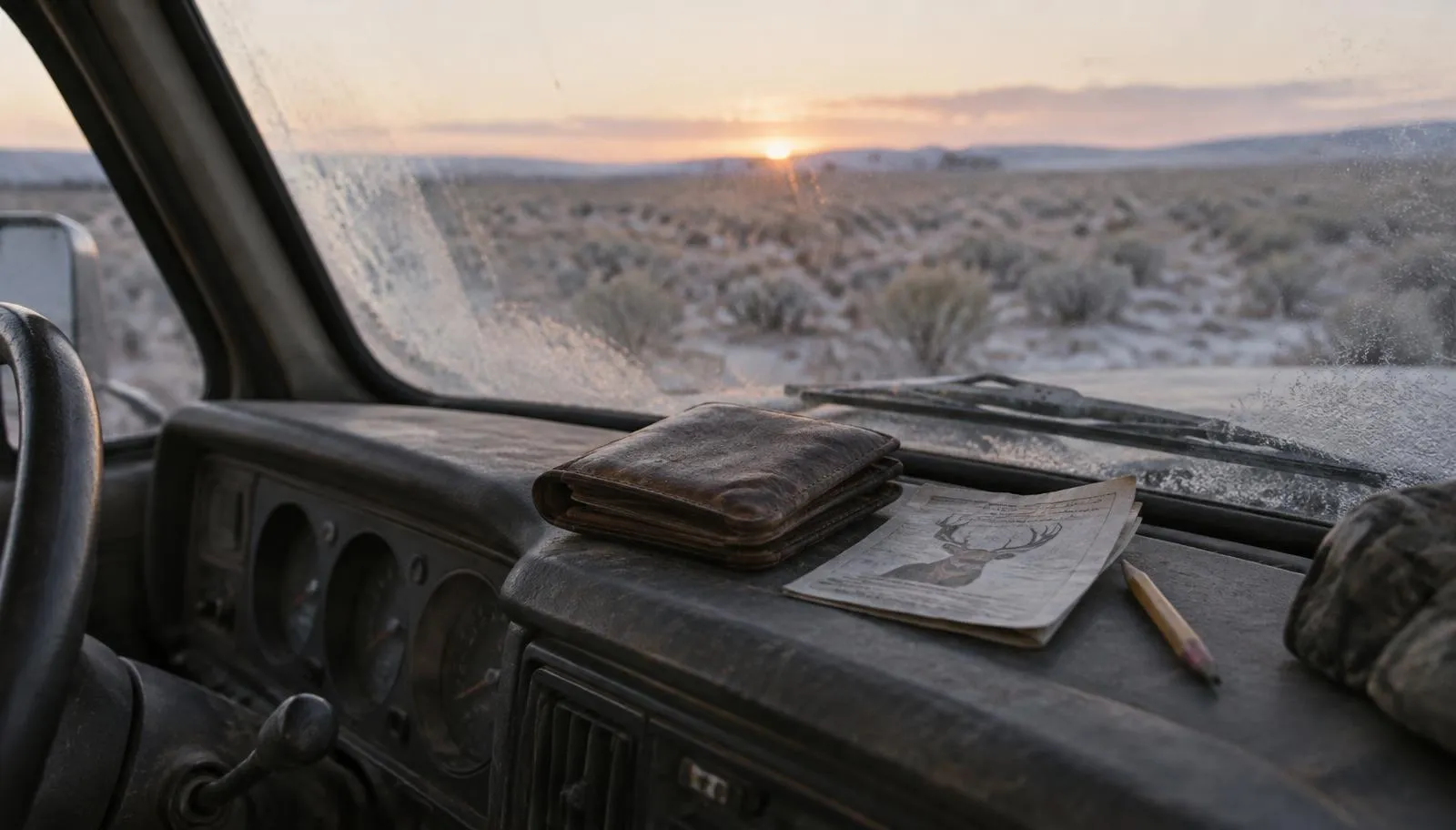
Why a license is not a product you can resell
Every state wildlife agency treats a hunting license as a personal privilege issued to one person. The application, the draw result, the hunter education record and the residency status all attach to that individual. When a hunter draws a tag, the tag carries their name and customer number. Handing it to a friend, or selling it to a stranger, does not move the privilege — it just means someone is hunting on a license that is not theirs.
That is why a listing that reads like "unused elk tag for sale" or "selling my buddy's deer tag" is not a gray area. Using another person's license is treated as hunting without a valid license in every state we work in, and in many cases the seller and buyer both face penalties. If you want the longer version of what we block and why, read banned listings: draw tags and why.
We understand the impulse. You put years into building preference points for a New Mexico elk unit or a Colorado bighorn tag, and then a knee surgery, a new job or a custody schedule takes the season away from you. Selling the tag feels like the only way to recover the money and the years. It is not a legal option anywhere in the country, and most agencies would rather you call them than gamble on a workaround.
A hunting license is issued to a person, not to a piece of paper. Moving the paper does not move the privilege.
What you can legally pay for
The legal market is bigger than most first-time buyers expect. It just does not look like a ticket exchange. Across the western and southern states, the things you can lawfully pay for fall into a few groups:
- Landowner authorizations in states that issue them to private landowners, such as New Mexico's EPLUS system. The authorization is transferable under state rules; the hunter then buys the license from the state.
- Private-land access: a day, a weekend or a season of permission to hunt someone's ground, with or without lodging.
- Outfitted and guided hunts, where a licensed outfitter provides guiding, camp, meals and field care.
- Species that do not require a draw on private land, such as Texas feral hogs or prairie dogs in several states, sold as hunt packages.
- In Colorado, an introduction to a landowner enrolled in the Landowner Preference Program — but never the voucher itself through a third party.
Landowner authorizations are not tags
The word "tag" gets used loosely, and that is where people get into trouble. In New Mexico, for example, a landowner enrolled in the state's private land program receives authorizations based on the habitat and acreage they manage. The landowner can transfer an authorization to a hunter. The hunter then uses it to buy the actual license from the New Mexico Department of Game and Fish (NMDGF). The hunter still pays the state license fee and still has to meet every state requirement.
So the thing changing hands is the landowner's right to direct a license, created by the state for that purpose — not a license that was already issued to another hunter. We walk through the details in New Mexico landowner elk authorizations explained, including how ranch-only and unit-wide authorizations differ.
Colorado works differently
Colorado Parks and Wildlife (CPW) runs a Landowner Preference Program that issues vouchers to enrolled landowners. The rule that matters most for buyers: the voucher may only be transferred by the landowner or their designated land manager directly to the hunter. CPW treats a voucher that passes through a middleman as void, along with any license bought with it.
That is why HuntHype lists Colorado LPP opportunities as contact-only classifieds. We never hold, sell or broker the voucher and never collect its price. The landowner pays a flat listing fee, and the hunter deals with the landowner directly. See Colorado landowner preference program: what hunters need to know for the full picture.
Do GMUs, weapon types and residency matter here?
Yes, every one of them. A landowner authorization or an outfitted hunt is still tied to a specific game management unit (GMU), a species, a season and often a weapon type — rifle, muzzleloader or archery. Residency can change license cost and, in some states, which units are even open to nonresidents. None of that disappears just because you bought access instead of winning a draw. Before you spend money, confirm the unit boundaries, the season dates for 2026, and whether your weapon choice matches what the listing describes.
A private-land hunt does not exempt you from hunter education requirements either. If you have never held a license in that state, check what the agency requires before you show up at the ranch gate.
Red flags that a listing is not legal
Whether you are on HuntHype, a forum or a social media group, walk away from any offer that shows these signs:
- It promises a license in any state, or says you can avoid the state draw.
- The seller is a hunter, not a landowner, land manager or licensed outfitter.
- It describes a tag already issued in someone else's name.
- It asks you to hunt as part of someone else's party on their license.
- It quotes a unit number or hunt code that does not exist in the state's current regulations booklet.
- The seller refuses to tell you which agency office you can call to confirm the arrangement.
How to check before you spend money
Get the seller's full name, the property name, and the state program the listing relies on. Then open the agency's current regulations for the 2026 season and confirm the unit, the species and the season dates. If the listing is a landowner authorization, ask the agency how transfers are recorded. If anything does not match, stop. Rules change every year, so use the current season's booklet, not last year's forum post.
On HuntHype, every seller submits documents that our team reviews before a listing goes live, and listings that describe personal tags are voided. That does not replace your own check with the state — it just removes the obvious fakes before you see them. If you are still unsure whether an opportunity is a legitimate private-land hunt or an outfitted hunt, private land access vs an outfitted hunt lays out the practical differences.
Ready to look at real listings?
Every listing comes from a landowner, land manager or outfitter whose documents we review.
Browse legal huntsFrequently asked questions
Can I buy someone's unused draw tag?
No. Draw and OTC licenses are issued to one named hunter and cannot be sold or transferred. Hunting on another person's license is hunting without a valid license.
Is a New Mexico landowner authorization the same as a tag?
No. The authorization is issued to an enrolled landowner and can be transferred to a hunter under NMDGF rules. The hunter then buys the license from NMDGF and pays the state fee.
Can HuntHype sell me a Colorado landowner voucher?
No. HuntHype never sells, holds or brokers Colorado LPP vouchers. We list contact-only classifieds, and the landowner or designated land manager transfers the voucher directly to the hunter.
Do I still need a hunting license for a private-land hunt?
In almost every case, yes. Buying access or a guided hunt does not replace the license. Check the state agency for the species, residency and 2026 season you plan to hunt.
How do I know a seller is really a landowner or outfitter?
Ask for the property name, program enrollment and outfitter license number, and confirm with the state agency. HuntHype reviews seller documents before any listing goes live.
Can I hunt on a friend's tag if I am in their hunting party?
No. Party hunting, where one person fills a tag drawn by someone else, is prohibited for big game in most western states. The tag holder must be the one hunting.
What should I do if I can't use a tag I already drew?
Contact the issuing agency directly. Many states have a process to return an unused license or restore preference points, which is different from selling the tag to another hunter.
Official sources
Seasons, fees and rules change every year. Always confirm with the state agency before you commit.
Related guides
Legal basics
What HuntHype does and does not sell
HuntHype sells legal private-land hunting inventory: NM landowner authorizations, Texas hog and varmint packages, access days and outfitted hunts. Colorado LPP listings are contact-only. We never sell personal tags.
Legal basics
Banned listings: draw tags, party hunting and why we remove them
HuntHype removes listings for personal draw or OTC tags, another hunter's tag, party hunting, ID/WY/MT landowner tags and fake unit codes. Here is what each rule means and why it exists.
New Mexico authorizations
New Mexico Landowner Elk Authorizations, Explained
What a New Mexico landowner elk authorization actually is, how NMDGF's EPLUS program works, and what the hunter still pays the state before opening day.