South Dakota Prairie Dog Shoots on Private Land
By HuntHype Field Desk · Published · Updated
A South Dakota prairie dog shoot on private land is usually sold as access to a ranch's prairie dog towns for a day or several days, priced per shooter or per group. Some packages add a guide, shooting benches, lodging and meals. There's no draw here — you're paying the landowner for access and services. You still need a South Dakota license: a predator/varmint license, or a big game license that SD GFP says also covers prairie dogs. Confirm 2026 requirements with SD GFP.
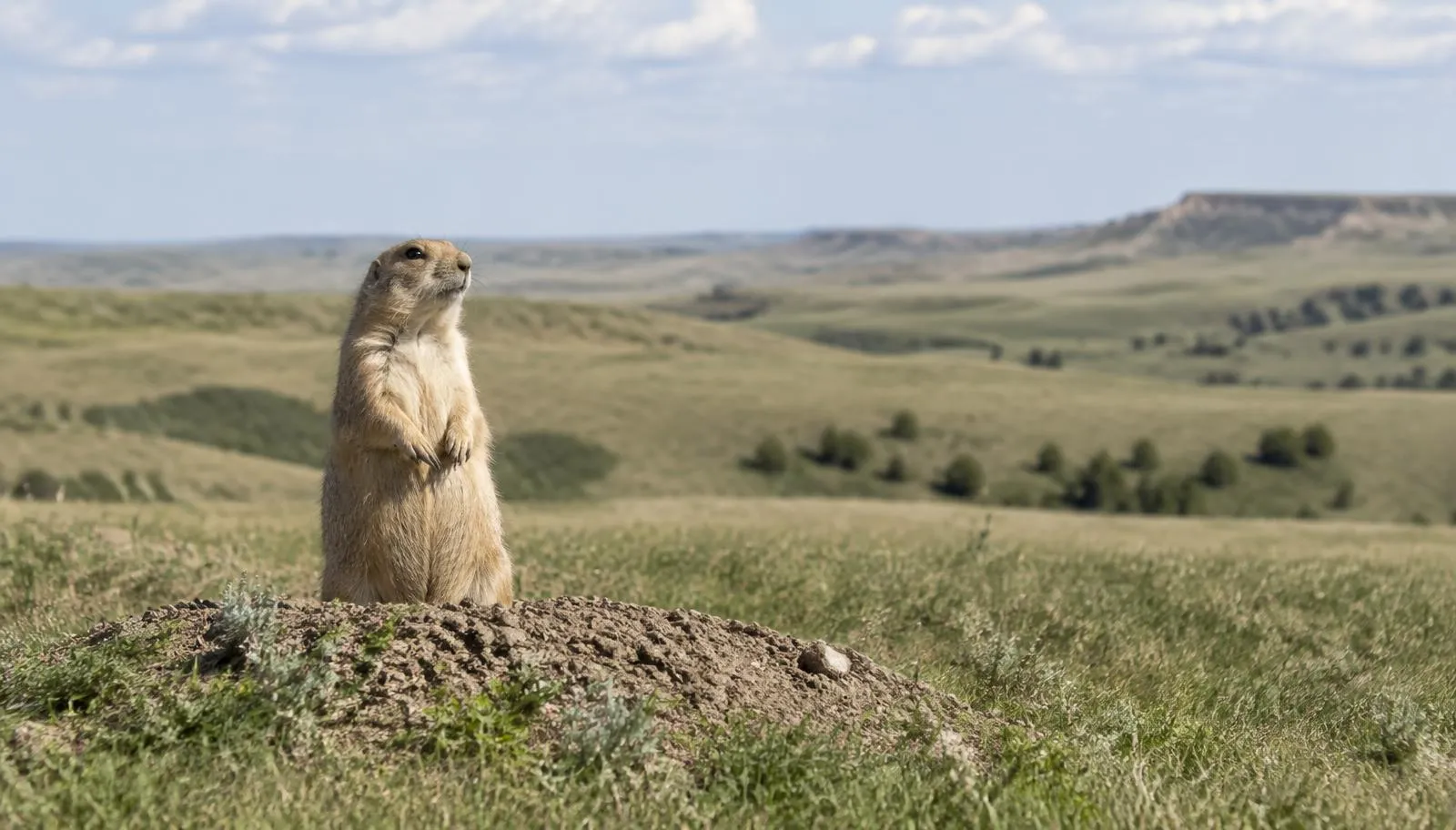
Why ranchers offer prairie dog shoots
Drive west across South Dakota rangeland in summer and you'll eventually crest a rise onto a town of a few hundred acres, dirt mounds everywhere, dogs popping up and chirping alarm calls the second your truck door opens. Black-tailed prairie dog colonies can spread fast, competing with cattle for grass and leaving burrows that twist ankles and snap equipment. Many ranchers welcome shooters to help manage colonies, and some have turned it into a reliable side business with lodging and guiding built around it.
Because prairie dogs aren't a draw species, there's no lottery and no license authorization to chase. The product is the access itself: a ranch with active towns, permission to shoot them, and whatever comfort the landowner layers on top — a bench, a bunkhouse, a home-cooked dinner after a long hot day.
How packages are priced
Prairie dog listings are usually priced one of three ways:
- Per shooter per day — common for access-only days.
- Per group per day — a set price for a party up to a maximum size.
- Multi-day packages — two to four days with lodging and meals, sometimes with a guide.
What's usually included
HuntHype's varmint listings spell out what's included. Typical items:
- Access to one or more prairie dog towns on the ranch, with the general region listed.
- A guide or ranch hand to take you to active towns and explain property rules.
- Shooting benches, mats or a shaded setup — or a note that you bring your own.
- Lodging and meals on multi-day packages.
- Coyote or other varmint opportunities, if the landowner allows them.
The best prairie dog ranches sell the same thing every time: active towns, clear rules, and a landowner who wants you back.
Licensing basics for 2026
South Dakota treats prairie dogs as an unprotected varmint species, and you need a state license to shoot them. Most visiting shooters buy a predator/varmint license, resident or non-resident; SD GFP publishes current fees on its license types page. SD GFP also notes that a big game license lets the holder hunt prairie dogs, coyotes, foxes and other unprotected species through Jan. 31, as long as you keep the top portion of the license. Anyone 18 or older buying a hunting license also needs a habitat stamp.
Where you shoot matters. State licenses are not valid on tribal trust lands unless the tribal council authorizes it, and individual tribes may require their own permit. If a ranch sits inside a reservation boundary but on land deeded to non-Indians, you need a state license. The U.S. Forest Service has historically closed prairie dog shooting on state and federal public land, including the Buffalo Gap, Fort Pierre and Grand River National Grasslands, from March 1 through June 14, and shooting is banned year-round in the Conata Basin. Private ranches aren't bound by that public-land closure, which is one reason spring private-land shoots are popular. Check the 2026 SD GFP handbook before the trip rather than assuming last season's rules still apply.
Questions to ask the landowner
Before you book, ask:
- How active are the towns right now, and how many acres of colony are there?
- How many other shooters will be on the ranch those days?
- Are there rules about calibers, shooting directions or distance from buildings and livestock?
- Can we drive to shooting positions, or is it on foot?
- What happens if weather shuts down a day?
- Is pricing per person or per group, and what's the maximum party size?
Safety and respect for the ranch
Prairie dog shooting involves a lot of rounds fired over open country, hour after hour. Know your backstop, stay well clear of livestock, leave gates exactly as you find them, and follow every property rule without exception. Pick up brass if the landowner asks. Ranchers who have good experiences with shooters keep inviting them back year after year; ranchers who find open gates and spooked cattle pull their listing and don't come back.
Varmint packages in other states
HuntHype also lists varmint packages in other states, and some Texas ranches combine hogs and varmints in the same trip. For what a hog package includes, see Texas night hog hunts: what's included. If you're deciding between a simple access day and a guided package, read private-land access vs outfitted hunt.
Every varmint listing shows dates or a date range, party size, what's included and the general region. You can reserve through HuntHype, and funds are held until the seller confirms fulfillment instructions.
Gear that makes a prairie dog trip work
Prairie dog shooting rewards accuracy and preparation more than raw firepower. Bring a stable bench or bipod, a spotting scope for your partner, plenty of ammunition, and a rangefinder. Wind is constant on the prairie, so a wind meter and good notes on your holds pay off fast. Shade, water and sunscreen matter more than people expect in summer heat. Hearing and eye protection are non-negotiable given the round count.
Ask the landowner in advance about caliber preferences and any restrictions. Some ranches ask shooters to avoid certain directions because of buildings, roads or livestock nearby. A short conversation before the first shot avoids problems and makes it far more likely you'll be invited back next season.
Timing matters too. Many shooters prefer late spring and early summer, when young prairie dogs are above ground and towns are at their most active. Colonies can go quiet in the heat of midsummer afternoons and after a cold snap. Ask the landowner which weeks have produced the best action in recent seasons and plan around that, rather than picking dates at random and hoping.
Ready to look at real listings?
Every listing comes from a landowner, land manager or outfitter whose documents we review.
Browse varmint packagesFrequently asked questions
Do I need a license to shoot prairie dogs in South Dakota?
Yes. You need a South Dakota predator/varmint license, or a big game license, which SD GFP says also covers prairie dogs through Jan. 31. Adults also need a habitat stamp. Check SD GFP's 2026 fees before your trip.
How much does a prairie dog shoot cost?
It varies by ranch and what's included. Many are priced per shooter or per group per day, with multi-day lodged packages costing more. Compare listings on HuntHype.
Is there a season for prairie dogs?
On private land, you can shoot with landowner permission and a valid license. State and federal public grasslands have historically been closed March 1 through June 14, and Conata Basin is closed year-round. Confirm 2026 rules with SD GFP.
Can I bring my own shooting bench?
Usually yes. Some ranches provide benches or mats as part of the package; the listing should specify which.
Is this the same as buying a tag?
No. There's no draw or tag for prairie dogs. You pay the landowner for access and services, then buy your own SD GFP license. On tribal trust land you need tribal authorization instead.
What's the best time of year to book?
Many shooters prefer late spring through early summer, when towns are most active and young prairie dogs are above ground.
Official sources
Seasons, fees and rules change every year. Always confirm with the state agency before you commit.
Related guides
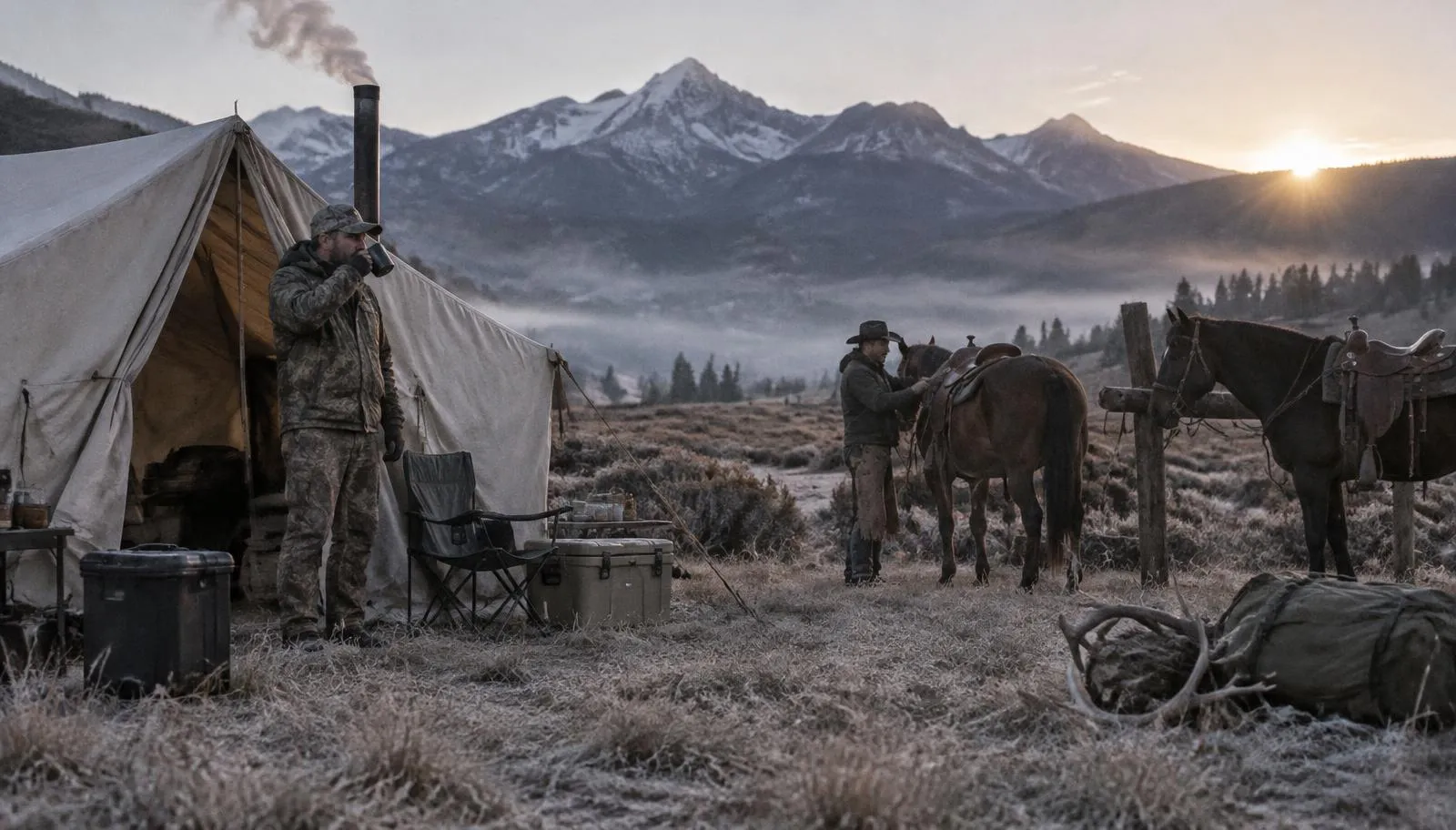
Hogs, varmints & access
Private-Land Access vs Outfitted Hunt: Which Fits You
An access day gets you permission to hunt private land on your own; an outfitted hunt adds a licensed guide, camp and field care. How to decide, what each includes, and what to ask.
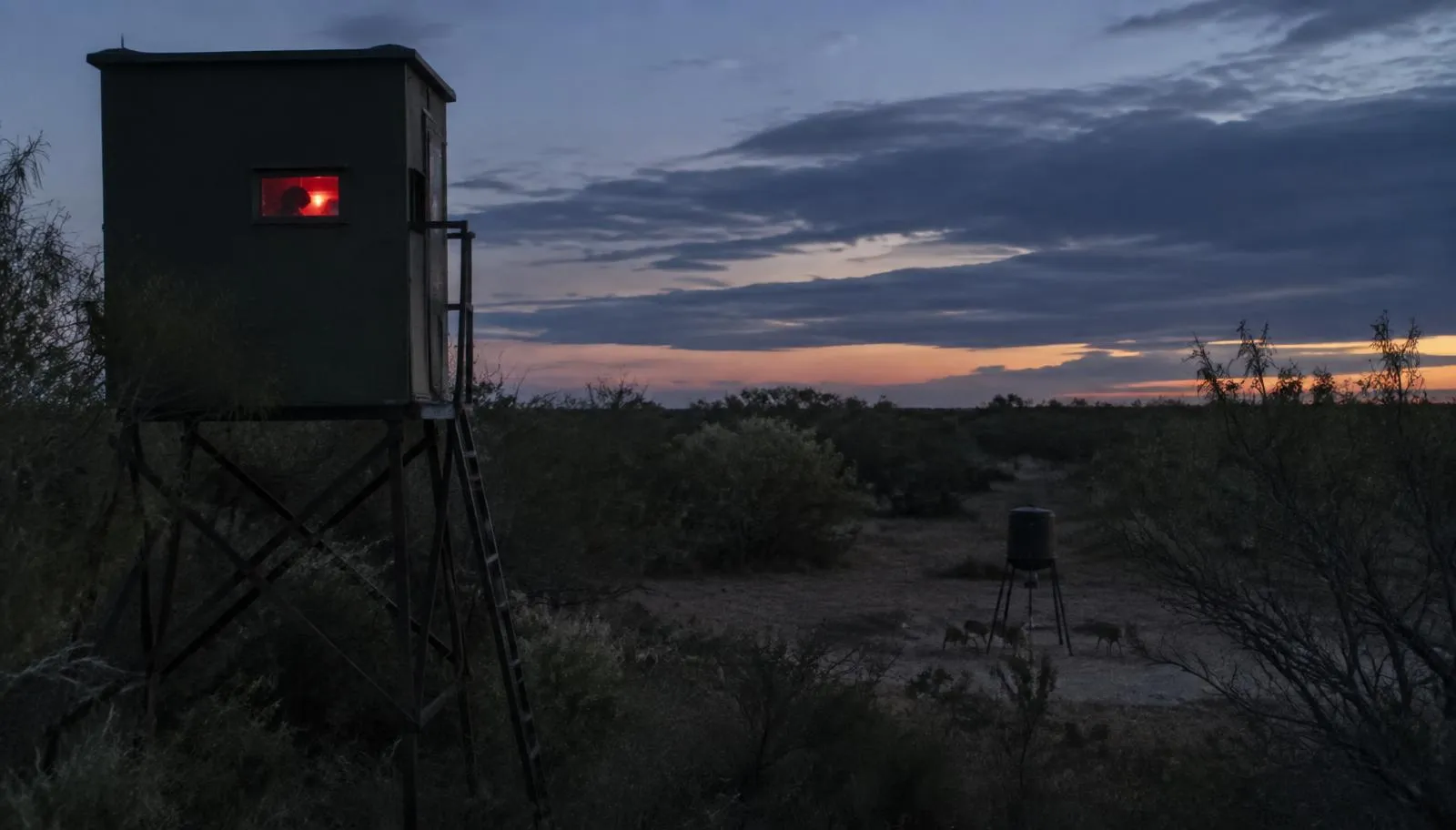
Hogs, varmints & access
Texas Night Hog Hunts: What's Actually Included
What a Texas night hog hunt package usually includes — private land, guiding, thermal gear, lodging and cleaning — plus 2026 licensing basics and questions to ask before you book.
Legal basics
What HuntHype does and does not sell
HuntHype sells legal private-land hunting inventory: NM landowner authorizations, Texas hog and varmint packages, access days and outfitted hunts. Colorado LPP listings are contact-only. We never sell personal tags.