Texas Night Hog Hunts: What's Actually Included
By HuntHype Field Desk · Published · Updated
A Texas night hog hunt package usually includes private-land access, a guide or ranch hand, a stand, blind or spot-and-stalk setup after dark, and often thermal optics, lodging and hog cleaning. What's actually included varies a lot ranch to ranch, so read the listing line by line. Under Texas law, you don't need a hunting license to take feral hogs on private property with the landowner's authorization — resident or non-resident — but you do if you add coyotes or other species. Confirm the 2026–27 rules with TPWD.
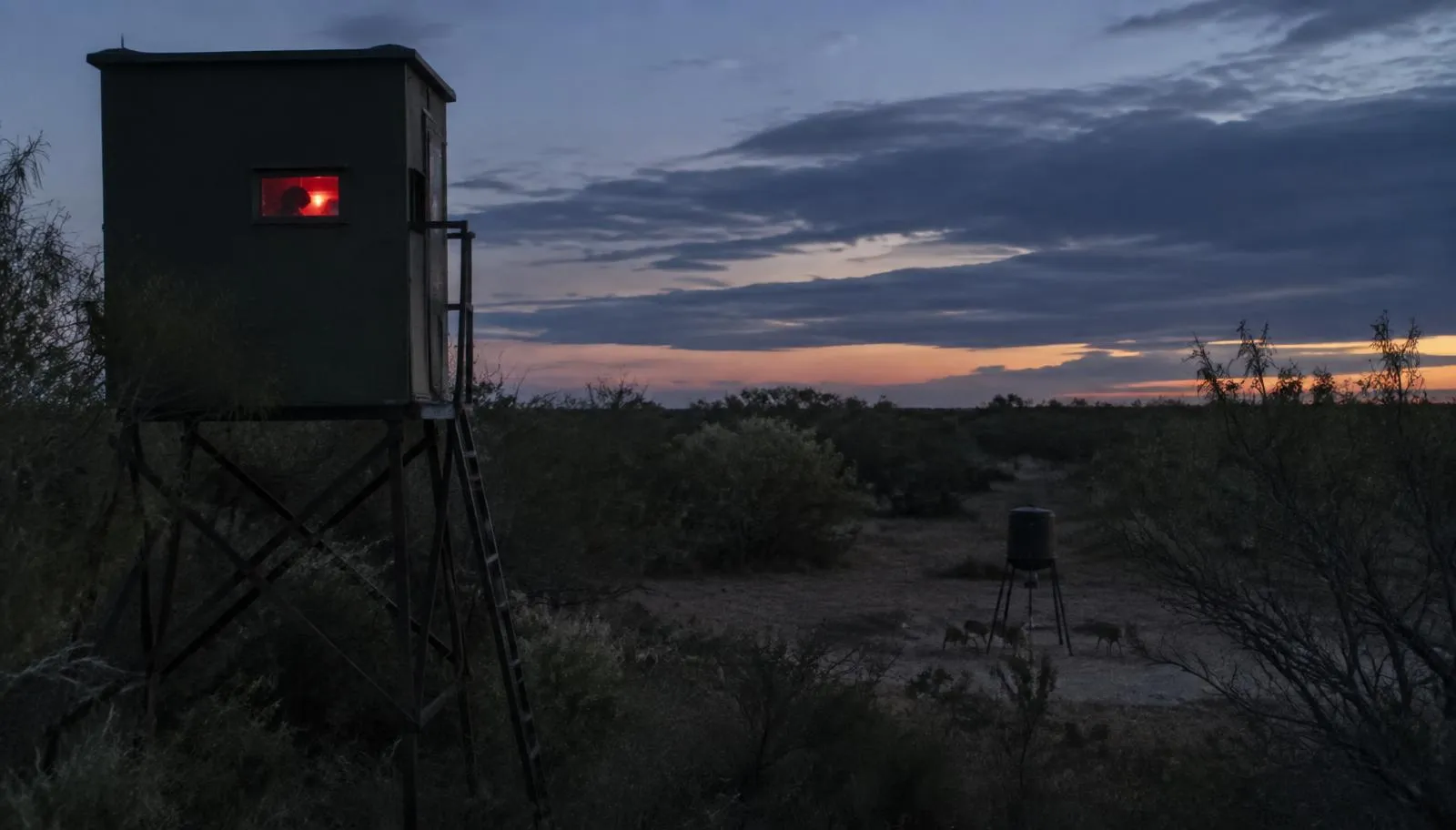
Why Texas hog hunting is different
Picture a feeder timer clicking on at 9 p.m., green thermal glowing on a dozen shapes easing out of the brush, and a guide beside you in the blind whispering which one to take first. That's a good night on a Texas hog ranch, and it happens because feral hogs are a genuine problem here, not a managed game species. They tear up crops, wreck pastures and root through wildlife habitat, and landowners want them thinned hard.
That changes the whole shape of the hunt. Hogs aren't a draw species — there's no lottery, no tag to fill out or transfer, nothing to win in a computer drawing months in advance. The product you're actually paying for is access: private land with hogs on it, the time and darkness to hunt it, and whatever gear and guiding the ranch layers on top. It's one of the simplest legal hunts you can book, which is exactly why quality swings so widely between operations.
A ranch running good feeders, comfortable stands and working thermal gear delivers a completely different experience than a pasture, a borrowed flashlight and a guide checking his phone. Both can be sold as a "night hog hunt." Only one of them is worth your money.
What a typical package includes
HuntHype's Texas hog listings spell out what's included, and the good ones are specific rather than vague. Common items you'll see:
- Private land access for a set number of nights or days, with the general region listed.
- A guide or ranch hand for part or all of the hunt.
- Stands, blinds or elevated feeders; some ranches also run spot-and-stalk with thermal.
- Thermal scopes or night-vision loaners, or a clear rule that you bring your own.
- Lodging, from a bunkhouse to a full lodge, and sometimes meals.
- Cleaning and quartering of harvested hogs; some ranches offer processing for an extra charge.
- No bag limit, or a limit set by the ranch — always ask.
What's usually not included
Ammunition, travel, and any processing beyond basic cleaning are usually on you. Rifles and thermal optics are sometimes available to rent if you don't own your own. Read the listing's "what's included" section closely, and message the seller before booking if anything is unclear — a two-minute question now beats an awkward surprise at check-in.
Two hog packages at the same price can be completely different nights. The 'what's included' line is the listing.
Licensing basics for 2026
Here's the part most out-of-state hunters get wrong. TPWD's 2026–27 Outdoor Annual lists feral hogs on private property with landowner authorization as an exception to the hunting license requirement. That exemption, added by the Legislature in 2019, applies to residents and non-residents alike, and it doesn't matter whether the hunt is paid. On a legitimate private-ranch hog hunt, the landowner's permission is what makes you legal.
There are real limits. The exemption covers feral hogs only, only on private land, and only with consent. Hunting hogs on public land still requires a license. The moment you shoot a coyote, bobcat or other nongame animal on the same night, you need a Texas hunting license, because TPWD requires one for nongame species even though they have no closed season or bag limit on private property. Hunter education requirements still apply. And a landowner who charges for hunting access needs a TPWD hunting lease license — a fair question to ask any ranch you book with.
On private property, feral hogs can be hunted at night and there's no state season or bag limit. TPWD allows hunting from a motor vehicle within private property boundaries, baiting on private land and trapping of feral hogs. Suppressors are legal for hunting in Texas. Shooting from aircraft at night is not allowed, though TPWD rules let drones be used at night only to locate feral hogs for shooters on the ground. TPWD asks night hunters, as a courtesy, to let the local game warden know. If you're planning to hunt coyotes too, buy the right license before you travel — TPWD sells non-resident options, including a short-term special hunting license.
Questions to ask the ranch before you book
A short conversation up front saves a lot of disappointment. Before you reserve, ask:
- How many acres will we hunt, and how many other groups will be on the property?
- What does a typical night look like — stands, feeders, spot-and-stalk?
- Is thermal or night-vision equipment provided, and what does rental cost?
- Is there a harvest limit or a charge per hog?
- What happens to harvested hogs — cleaning, processing, disposal?
- What's the policy for bad weather or a no-show night?
- Is the party size in the listing a maximum or a minimum?
Day hunts, night hunts and varmints
Many ranches offer both day and night hog hunts. Day hunts are cheaper and a solid pick for first-timers; night hunts over feeders or with thermal usually produce more action once hogs settle into their after-dark patterns. Some ranches also sell combined packages with coyotes or other varmints — see South Dakota prairie dog shoots on private land for how varmint packages are typically priced and structured.
If you're weighing a full-service package against simple land access, private-land access vs outfitted hunt walks through the real trade-offs between the two.
Booking on HuntHype
Texas hog listings on HuntHype show dates or a date range, party size, what's included, whether it's a night hunt, and the general region. You can reserve through HuntHype, and funds are held until the seller confirms fulfillment instructions. Before you commit, it's worth comparing prices against closed sales on the sold prices board — it's the fastest way to know if a price is fair for what's on offer.
What a night on a Texas hog ranch actually looks like
Most night hunts start before dark. You arrive at the lodge or meeting point, go over property rules and safety with the guide, sight in if you need to, and head to a stand or blind near a feeder or a field hogs are known to work. Hogs often move after sundown, and on warm nights activity can peak late — sometimes well past midnight. Thermal-equipped spot-and-stalk hunts usually start from a truck, glassing fields, then closing the distance on foot once you spot movement.
Expect long quiet stretches punctuated by sudden action — a sounder trotting into the feeder light all at once, everyone in the blind going still. Dress for the weather, bring hearing protection, and agree with the guide on shot rules before the first hogs show up. Afterward, harvested hogs are usually cleaned at the ranch, and a good outfit has the process down to a system.
Ready to look at real listings?
Every listing comes from a landowner, land manager or outfitter whose documents we review.
Browse Texas hog packagesFrequently asked questions
Do I need a hunting license for hogs in Texas?
Not on private property with landowner authorization — TPWD lists that as an exception for residents and non-residents. You do need a license on public land and for any other species, such as coyotes. Check TPWD's 2026–27 rules before you go.
Is night hog hunting legal in Texas?
Yes. On private property with landowner consent, feral hogs can be hunted day or night, with no state season or bag limit. Suppressors are legal for hunting in Texas; shooting from aircraft at night is not.
Is there a bag limit on hogs?
The state does not set a typical bag limit for feral hogs, but ranches often set their own limits or charge per hog. Confirm the ranch's policy before booking.
Do ranches provide thermal equipment?
Some include it in the package, some rent it, and some require you to bring your own. The listing's 'what's included' section should spell this out.
Can I bring a group?
Most packages list a party size. Confirm whether that number is a maximum and whether pricing is per person or per group before you reserve.
How is a hog package different from a draw-tag hunt?
Hogs aren't a draw species, so there's no lottery, license authorization or tag to transfer — you're simply paying for private-land access, guiding and services.
Can non-residents book a Texas hog hunt?
Yes. The private-land feral hog license exemption applies to non-residents too. If you also want to hunt coyotes or other species, buy a Texas non-resident license, including short-term options, before you travel.
Official sources
Seasons, fees and rules change every year. Always confirm with the state agency before you commit.
Related guides
Hogs, varmints & access
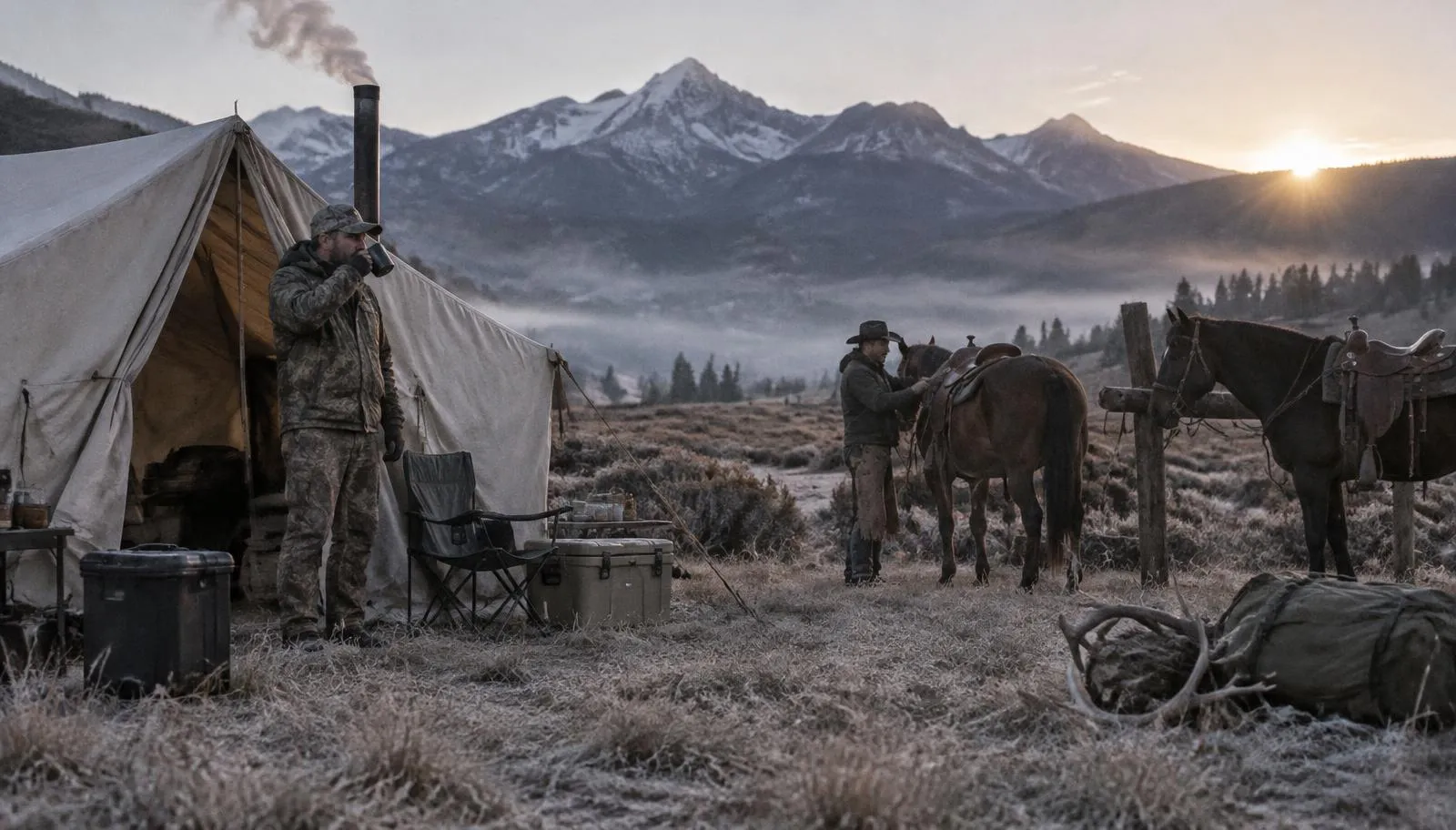
Private-Land Access vs Outfitted Hunt: Which Fits You
An access day gets you permission to hunt private land on your own; an outfitted hunt adds a licensed guide, camp and field care. How to decide, what each includes, and what to ask.
Hogs, varmints & access
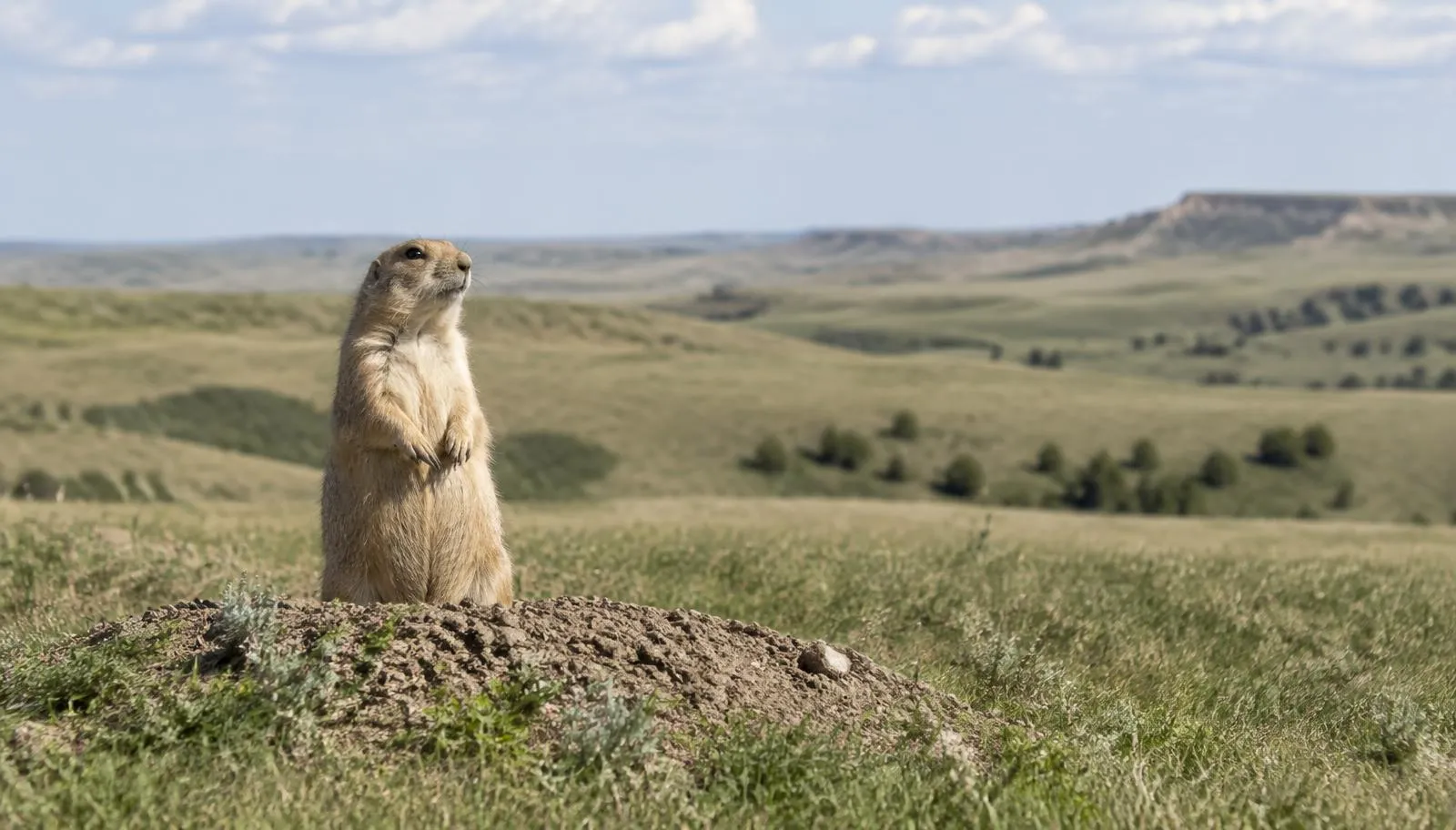
South Dakota Prairie Dog Shoots on Private Land
How South Dakota prairie dog shoots on private ranches work: pricing per day or group, what's included, 2026 licensing basics, and questions to ask the landowner before you book.
Legal basics
What HuntHype does and does not sell
HuntHype sells legal private-land hunting inventory: NM landowner authorizations, Texas hog and varmint packages, access days and outfitted hunts. Colorado LPP listings are contact-only. We never sell personal tags.