Coyote Hunting on Private Land by State (2026)
By HuntHype Field Desk · Published · Updated
Coyote hunting is legal on private land in every state, but the details vary a lot: some states require no license at all, others treat coyotes as a furbearer with fees and limits, and a growing list ban coyote-killing contests outright. This guide walks through what 2026 rules generally look like state by state so you know what to confirm before you book or host a coyote hunt. Rules change yearly — verify with the state agency before you go.
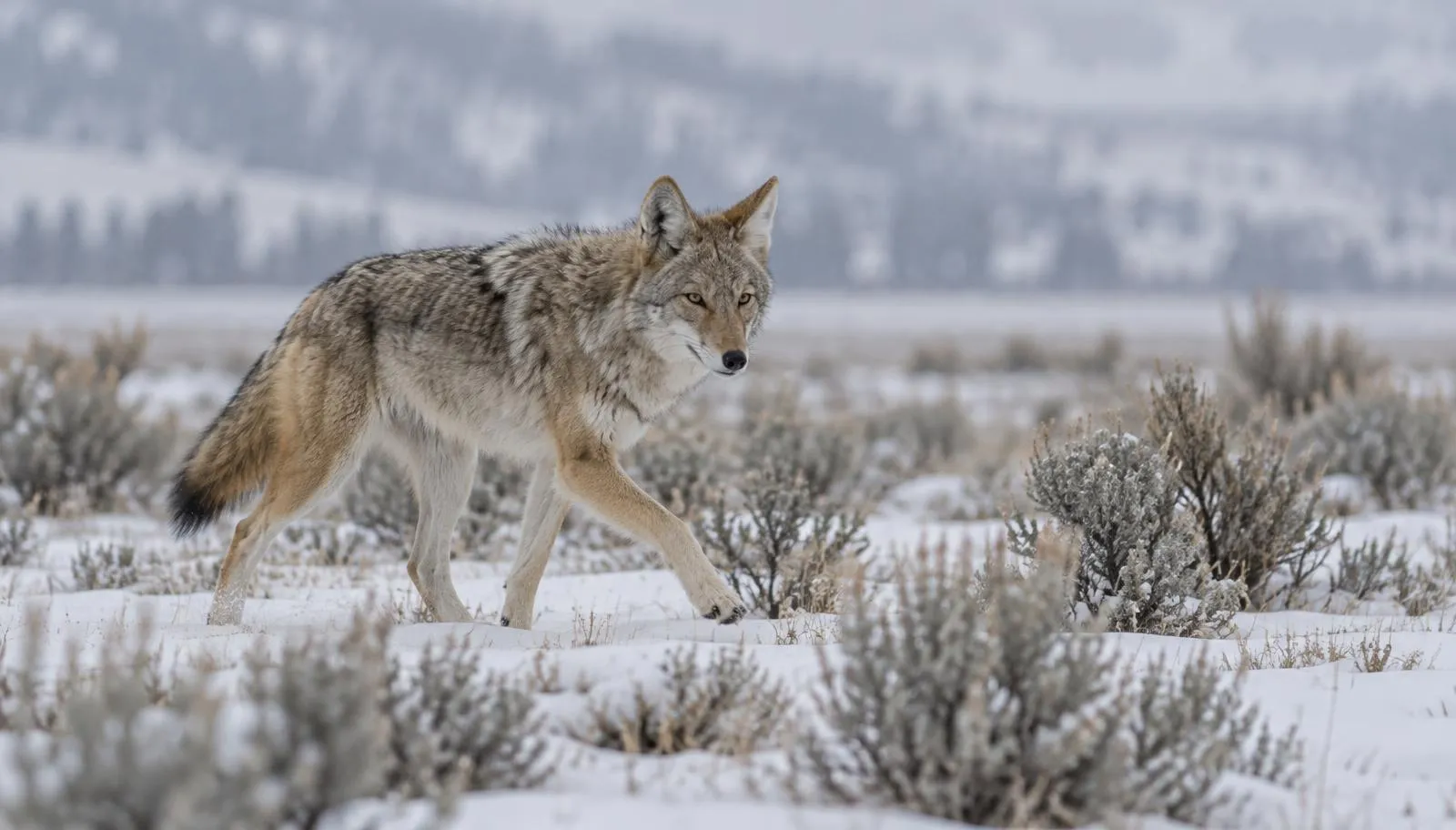
Why coyote hunting looks so different state to state
Stand on a fence line in eastern Wyoming at first light and you can shoot coyotes all day, every day of the year, with no license in your pocket. Drive to Colorado and the same animal is a furbearer with a license requirement and a daily bag limit. That split — predator/nongame with almost no rules versus furbearer with real ones — is the single biggest thing to understand before you plan a coyote hunt on private land anywhere in the country.
Ranchers want coyotes managed because they take lambs, calves and poultry, and coyote hunting has become one of the most accessible pest-control hunts to book: no draw, no tag, often no license at all. But "no rules" is not universal, and a few states have added real restrictions in just the last several years, especially around killing contests and thermal or night-vision gear.
States with the fewest rules
In several states, coyotes are classified as predatory or unprotected animals with no closed season, no bag limit, and often no license required at all on private land.
- Wyoming — coyotes are "predatory animals" under state law; no license, stamp or bag limit for resident or nonresident shooters, year-round. Hunter safety proof is required to use a firearm unless exempt.
- Montana — coyotes are classified as predators; no FWP license or fee is required to shoot them, resident or nonresident, year-round. Written landowner permission is required on private land.
- Nevada — coyote is an unprotected mammal; no hunting license or permit is required in Nevada to hunt them.
- North Dakota — residents need no license for unprotected species including coyotes; nonresidents hunting only unprotected species need a nongame license.
- Nebraska — coyotes are nongame, not furbearer, so no permit is needed for residents; nonresidents generally need a fur harvest permit and habitat stamp.
States that require a license but keep the season open
Other states require a general hunting license to hunt coyotes but otherwise keep the season wide open with no bag limit.
- Texas — a hunting license is required to hunt coyotes (except when they're actively attacking livestock), but there's no closed season or bag limit; coyotes are classified as nongame.
- South Dakota — nonresidents need a predator/varmint license or a big game license that also covers coyotes through Jan. 31; there's no closed season and no bag limit. State licenses don't apply on tribal trust land without tribal authorization.
- Idaho — coyotes are "predatory wildlife" and a valid Idaho hunting license is required for residents and nonresidents, with no closed season or bag limit. A separate permit is available for hunting predators with artificial light.
- California — coyotes are nongame, and a hunting license is required (no tag), with no closed season stated for nongame species generally.
- Oregon — coyotes are an unprotected mammal, but a hunting license is still required and general hunting rules apply, with no closed season or bag limit.
States that manage coyotes as a furbearer
A smaller group of states put coyotes in the furbearer category, which usually means a furbearer or small-game license and, in Colorado's case, an actual bag limit.
- Colorado — coyote is a furbearer; a furbearer or small-game-plus-furbearer license is required, and the 2026 bag limit for all 17 furbearer species, including coyote, is two per species per day.
- Oklahoma — a resident or nonresident hunting license is required (youth exempt for coyote specifically); coyote is open statewide year-round with no bag limit, but hunting at night with an artificial light is unlawful outside a narrow hounds exception.
- New Mexico — coyote is an "unprotected furbearer"; residents need no license, but nonresidents must buy a nongame or general hunting license. There is no season limit, but New Mexico bans organized coyote-killing contests statewide.
- Arizona — coyotes are predatory animals covered under a general hunting license; electronic night vision, light-gathering devices and thermal imaging are unlawful to use while taking wildlife in Arizona, and the state also bans predator-killing contests.
Where coyote-killing contests are banned
A number of states have specifically outlawed organized coyote or predator killing contests — competitions with entry fees and prizes for the most or biggest animals taken — even though ordinary coyote hunting remains legal there. Based on current research, contest bans are confirmed in New Mexico (2019 statute), Arizona (2019 Game and Fish Commission rule), Colorado (2020 Parks and Wildlife Commission rule, which also covers prairie dogs and other small game), California (2014), and Oregon is cited in multiple secondary sources as having banned contests as well. HuntHype does not list contest-format hunts in any state that bans them, and we recommend confirming the current rule with the state agency before organizing or advertising a group hunt with prizes.
A contest ban doesn't touch ordinary coyote hunting — it targets the organized, prize-driven format specifically.
Night hunting, thermal and artificial light rules
Because coyotes are most active from dusk to dawn, night hunting rules matter as much as season and license rules. They vary widely and are often the least documented part of a state's regulations, so this is an area where you should always double-check directly with the agency rather than relying on secondhand information.
Oklahoma bans hunting coyotes at night with an artificial light, with a narrow exception for hounds hunters using a .22 rimfire and a light during open furbearer season. Arizona bans night vision, light-gathering devices, thermal imaging and visible laser sights for taking any wildlife, which covers coyotes. Idaho requires a specific "Permit to Hunt with Artificial Light" for predators like coyotes, though passive night vision that casts no light doesn't require that permit. North Dakota runs a defined night-hunting season window separate from its daytime season. Several other states, including Wyoming, Montana, South Dakota, Texas and New Mexico, don't have a clearly documented statewide rule specific to coyote night hunting in the sources we checked — confirm with the agency before you plan a night hunt.
What a private-land coyote hunt package usually includes
On HuntHype, coyote hunts are typically listed as access days or small guided packages rather than full outfitted trips, since there's no tag or draw involved. A typical listing includes access to a ranch's property with known coyote activity, sometimes a guide who knows the terrain and calling spots, and occasionally predator calls, blinds or thermal gear rental. Multi-day and combination packages — coyotes paired with prairie dogs or hogs — are common in states like Wyoming and Texas, where ranches run several pest-species hunts on the same land.
Read the listing closely for what equipment is provided versus what you need to bring, especially around night-hunting gear, since a ranch offering "night hunts" in a state with a permit or light restriction should be able to explain how they comply with it.
Questions to ask before you book
Before booking a coyote hunt on private land, ask:
- Do I need a state license for this hunt, and does it cover coyotes specifically or all unprotected species?
- Is this a day hunt, a guided package, or a multi-species trip with prairie dogs or hogs?
- Does the property or state allow night hunting, artificial light or thermal optics, and does the ranch provide that gear or do I need my own?
- Is this listed as an individual hunt or a contest-style event, and if it's a contest, does the state allow that format?
- What's the maximum party size, and is pricing per person or per group?
- Who do I contact if weather or property conditions change the plan?
Booking through HuntHype
HuntHype lists coyote and varmint access days and packages the same way it lists prairie dog and hog hunts: the landowner sets what's included, dates, party size and region, and the hunter buys their own license from the state agency before showing up. Funds are held until the seller confirms fulfillment. For a look at how prairie dog access is packaged, see South Dakota prairie dog shoots on private land, and for a state that regularly pairs coyotes with prairie dogs on the same trip, read Wyoming prairie dog and coyote hunts. If you're deciding between a bare access day and a guided package, private-land access vs outfitted hunt breaks down the difference.
The bigger picture: why states differ so much
Coyote populations have expanded into nearly every state over the last century, and wildlife agencies have responded in very different ways depending on livestock pressure, public opinion and ecological priorities. States with heavy sheep and cattle operations tend to keep coyote hunting wide open with few restrictions, treating it as a management tool ranchers can use whenever they need it. States that have moved coyotes toward furbearer status, or added contest bans, have generally done so in response to public debate over organized killing contests rather than concern about coyote population sustainability — coyotes remain abundant and unprotected from a conservation standpoint in essentially every state.
That context matters for hunters booking a trip: a state with more rules isn't protecting the coyote population from you, it's regulating the format and method of the hunt. Read the current rule rather than assuming stricter means scarcer.
Ready to look at real listings?
Every listing comes from a landowner, land manager or outfitter whose documents we review.
Browse varmint packagesFrequently asked questions
Do I need a license to hunt coyotes on private land?
It depends on the state. Wyoming, Montana, Nevada, North Dakota (residents) and Nebraska (residents) require no license for coyotes. Most other states require a general hunting license, furbearer license, or nongame license. Confirm with the state agency for 2026 requirements.
Which states ban coyote-killing contests?
New Mexico, Arizona, Colorado and California have confirmed bans on organized coyote or predator killing contests. Oregon is cited as a ban state in secondary sources. Ordinary coyote hunting remains legal in all of these states — only the contest format is banned.
Can I hunt coyotes at night?
Rules vary widely. Oklahoma and Arizona restrict artificial light and thermal/night vision use. Idaho requires a specific permit for hunting predators with artificial light. Several states have no clearly documented statewide rule — always confirm with the agency before a night hunt.
Is there a bag limit on coyotes?
Most states have no bag limit on coyotes because they're classified as predatory or nongame animals. Colorado is a notable exception, capping furbearer species including coyote at two per species per day as of 2026.
Do I need landowner permission even where no license is required?
Yes. Landowner permission is always required to hunt private land, in every state, regardless of license requirements for the species.
Can HuntHype list a coyote-killing contest?
Not in a state that bans the contest format, such as New Mexico, Arizona, Colorado or California. Individual and guided coyote hunts remain listable in every state.
Can I combine a coyote hunt with a prairie dog or hog hunt?
Many ranches, especially in Wyoming and Texas, offer combination packages. Check the listing for which species are included and what license each one requires.
Where can I find the current season and license rules?
Go directly to the state wildlife agency's website. Rules on licensing, night hunting and contests change year to year, so don't rely on last season's information.
Official sources
Seasons, fees and rules change every year. Always confirm with the state agency before you commit.
- Wyoming Game and Fish Department (WGFD) — Coyote hunting requirements
- Montana Fish, Wildlife & Parks (FWP) — Predator shooting
- SD GFP — Nonresident license information
- TPWD Outdoor Annual — Nongame and exotic species (2026–27)
- NMDGF — Nongame species
- Arizona Game and Fish Department (AZGFD) — Hunting licenses
- Colorado Parks and Wildlife (CPW) — Hunting furbearers
- Idaho Fish and Game (IDFG) — License and fee information
- Oklahoma Department of Wildlife Conservation (ODWC) — Furbearer/coyote regulations
- California Department of Fish and Wildlife (CDFW) — Nongame and furbearer hunting
Related guides
Hogs, varmints & access
Wyoming Prairie Dog and Coyote Hunts on Private Land
How Wyoming prairie dog and coyote hunts on private land work in 2026: no license required for either species, how packages are priced, and what to ask before you book.
Hogs, varmints & access
South Dakota Prairie Dog Shoots on Private Land
How South Dakota prairie dog shoots on private ranches work: pricing per day or group, what's included, 2026 licensing basics, and questions to ask the landowner before you book.
Hogs, varmints & access
Private-Land Access vs Outfitted Hunt: Which Fits You
An access day gets you permission to hunt private land on your own; an outfitted hunt adds a licensed guide, camp and field care. How to decide, what each includes, and what to ask.
Hogs, varmints & access
Texas Night Hog Hunts: What's Actually Included
What a Texas night hog hunt package usually includes — private land, guiding, thermal gear, lodging and cleaning — plus 2026 licensing basics and questions to ask before you book.