Florida Wild Hog Hunting on Private Land
By HuntHype Field Desk · Published · Updated
Florida lets you hunt wild hogs on private land with the landowner's permission and no state hunting license, no bag limit, and no closed season — even at night with a gun and light. That makes Florida one of the simplest states to book a hog hunt in, but package quality still varies a lot by ranch. Here's what's typically included, what 2026 rules actually say, and what to ask before you reserve.
Why Florida is a hog-hunting hotspot
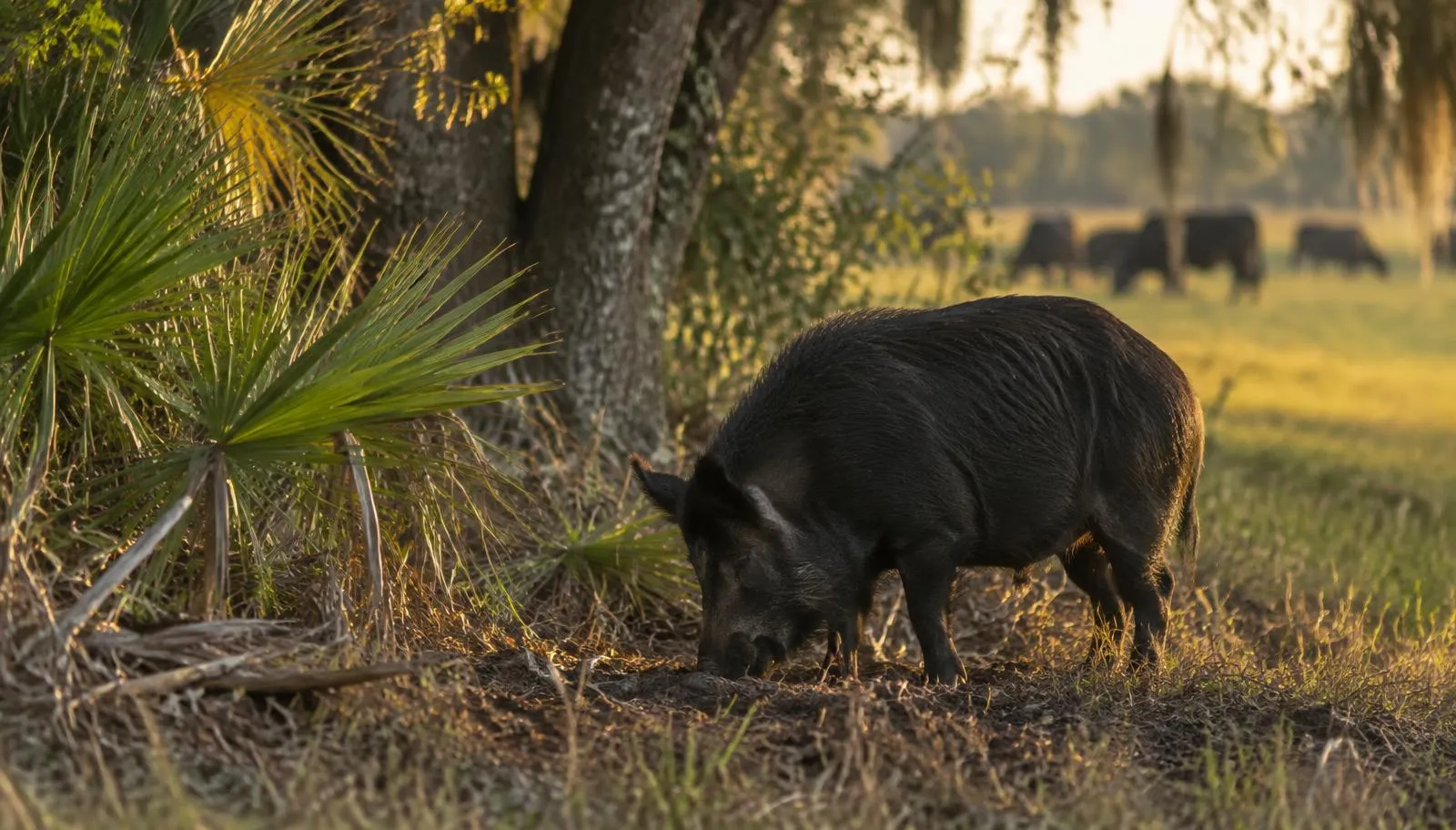
Push through a palmetto flat in central Florida after a summer rain and you'll find the rooting almost immediately — torn-up ground, wallows, hoof-churned mud around a cypress head. Wild hogs are everywhere in Florida, from ranch country to the edges of suburban subdivisions, and they do real damage to pasture, crops and native habitat. That's why the state treats them as an unregulated nuisance species on private land rather than a managed game animal.
For hunters, that translates into one of the least bureaucratic hog hunts in the country. There's no lottery, no tag, and — on private land — no state license standing between you and a night in a blind over a feeder. The product HuntHype lists is straightforward: access to a property with hogs on it, plus whatever the landowner layers on top.
What a Florida hog package usually includes
Package quality swings a lot ranch to ranch. HuntHype listings should spell out exactly what's included; common items are:
- Private-land access for a set number of days or nights, with the general region listed.
- A guide or landowner escort, at least for orientation and property rules.
- A stand, blind or feeder setup, or a spot-and-stalk hunt through brush and palmetto.
- Firearm, bow, crossbow or airgun options, sometimes with dogs where the landowner allows it.
- Lodging on multi-day packages, from a simple cabin to a full lodge.
- Field dressing or basic processing — confirm whether it's included or an add-on.
No tag, no lottery, no bag limit — in Florida the listing itself is the whole product.
What's usually not included
Ammunition, travel, and full processing beyond basic field dressing are usually on the hunter. Some ranches rent rifles, thermal or night-vision equipment; others expect you to bring your own. Read the 'what's included' section of the listing closely and message the seller if anything is unclear before you book.
Licensing basics for 2026
FWC's rule for wild hogs is unusually simple: no license is required to hunt wild hogs on private land with the landowner's permission, there's no closed season and no bag limit, and hunters can use dogs and any legal firearm, bow, crossbow or airgun. Poisoning hogs is prohibited. Hunters can also use a gun and light at night on private land without needing a special permit for it, which is why night hunts over feeders are common in Florida.
There's one wrinkle worth knowing about if a ranch wants to hold live hogs or transport them: FDACS (the state agriculture department) requires a permit to transport or hold live wild hogs, separate from FWC's hunting rules. That mostly matters to landowners running trap-and-move operations, not to a hunter taking hogs in the field, but it's worth being aware of if a property does both.
On the business side, there's no statewide hunting-guide license specifically required to charge for a private-land hog hunt in Florida that FWC lists; general business and liability rules apply to the operator. That's a state-level gap, not a HuntHype policy — confirm any local requirements with FWC or the county if you're the one selling access.
Day hunts vs. night hunts
Florida hog hunting happens both day and night, and each has a different feel. Daylight hunts often mean still-hunting or stand time near travel corridors and wallows, especially in the cooler morning and evening hours when hogs are more active. Night hunts over a feeder, gun and light in hand, tend to produce faster, more concentrated action once a sounder commits — Florida's rule allowing lights on private land at night is exactly what makes that style of hunt possible here without a special permit.
Heat is the other variable that shapes a Florida hunt more than almost anywhere else. Summer afternoons can shut hogs down completely; many outfitters push hunts to early morning, evening and full night specifically to avoid the worst of the heat.
Questions to ask before you book
A few minutes of questions up front save a lot of disappointment later:
- Is this a day hunt, a night hunt, or both, and does the price change either way?
- What's the terrain — open pasture, palmetto flats, cypress swamp — and does it affect the shot distances I should expect?
- Are dogs used on this property, and am I comfortable with that style of hunt?
- Is field dressing included, and what happens to the meat afterward?
- Is thermal or night-vision gear provided, rented, or my own responsibility?
- What's the maximum party size, and is pricing per person or per group?
What a night on a Florida hog ranch looks like
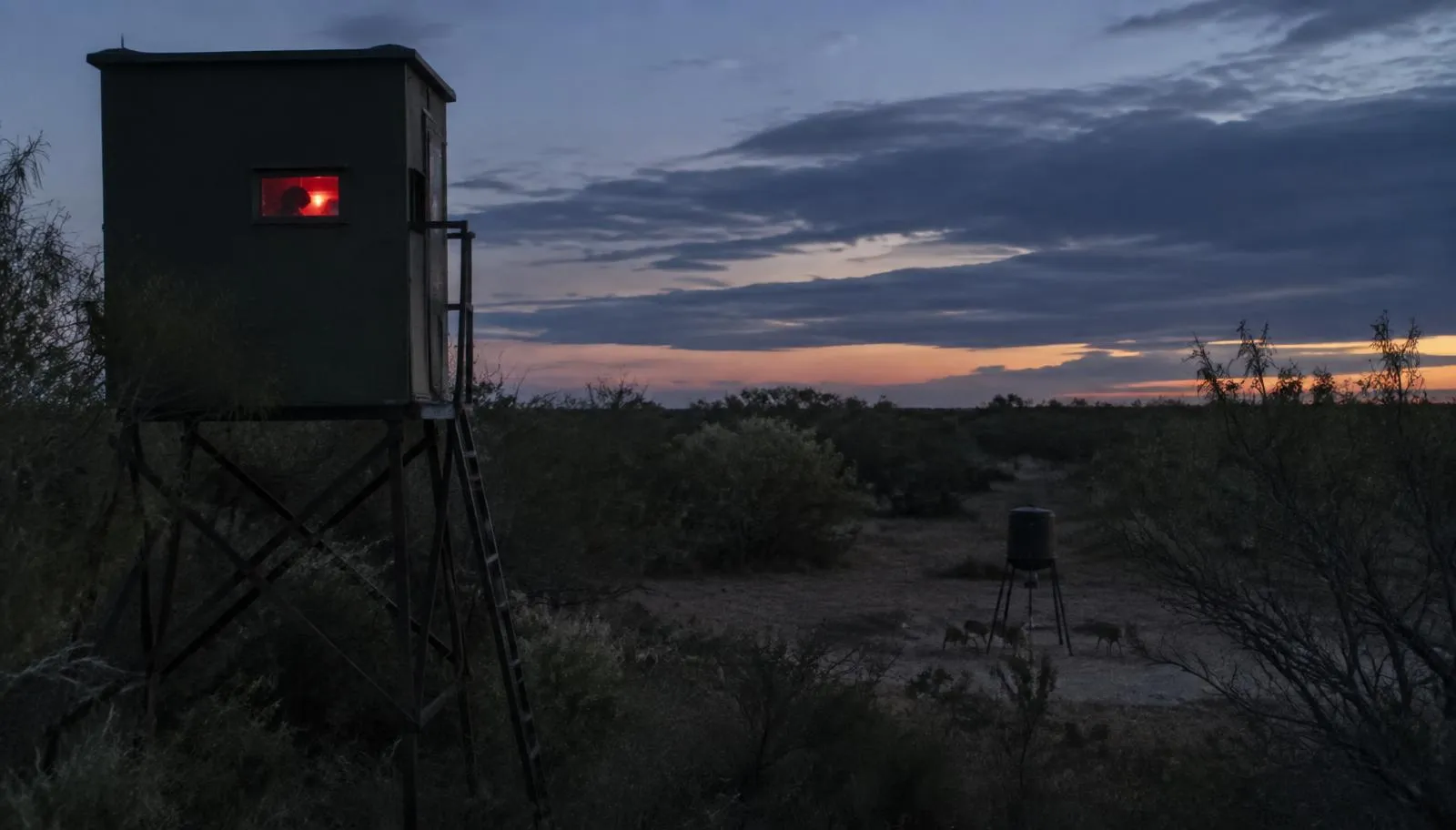
Most night hunts start at dusk with a walkthrough of property rules and a check of your rifle or bow. You'll settle into a blind or stand near a feeder as the light fades, waiting through long quiet stretches punctuated by the sudden crunch and grunt of a sounder working in. On a warm, humid night the bugs come out in force — bring repellent, and expect the wait to test your patience more than your marksmanship. When hogs commit to the feeder, it tends to happen fast and close, so agree on shot rules and safe backstops with your guide before the first one shows up.
Spot-and-stalk hunts through palmetto and hammock country are a different pace entirely — slower, closer, more about reading sign and wind than waiting in a blind. Either way, a landowner who sees hunters respect gates, fences and cattle will keep inviting you back; one who finds problems usually won't.
How Florida compares to other hog states
Florida's no-license, no-limit approach on private land puts it close to Texas, where the same private-land exemption applies — see Texas night hog hunts: what's included for how a similar rule plays out with thermal gear and feeders. Not every state is this permissive; some ban paid hog hunts outright. For the full state-by-state picture, read feral hog hunting on private land by state.
If you're deciding between a bare-bones access day and a full outfitted package with a guide and lodging, private-land access vs outfitted hunt breaks down the trade-offs.
Booking on HuntHype
Florida hog listings on HuntHype should show dates or a date range, party size, whether it's day, night or both, what's included, and the general region. You can reserve through HuntHype, and funds are held until the seller confirms fulfillment instructions. As always: landowner permission is what makes the hunt legal, and if you decide to add another species on the same trip, check whether that species requires its own FWC license.
Ready to look at real listings?
Every listing comes from a landowner, land manager or outfitter whose documents we review.
Browse varmint packagesFrequently asked questions
Do I need a license to hunt wild hogs in Florida?
Not on private land with the landowner's permission. FWC does not require a hunting license for wild hogs taken on private property. A license is required for other species you might take on the same trip.
Is there a bag limit or season on Florida hogs?
No. FWC sets no closed season and no bag limit for wild hogs on private land.
Can I hunt hogs at night in Florida?
Yes. Hunters may use a gun and light at night on private land for wild hog without a special permit for it, which is why night hunts over feeders are common.
Can I use dogs to hunt hogs in Florida?
Yes, where the landowner allows it. FWC's rules permit dogs along with any legal firearm, bow, crossbow or airgun for wild hogs.
Does HuntHype sell a hog tag or license for Florida?
No. There's no tag for wild hogs in Florida. HuntHype lists private-land access and services; since Florida doesn't require a license for hogs on private land, there's usually nothing extra to buy — but confirm your specific situation with FWC.
What should I check before booking a Florida hog package?
Confirm whether it's a day or night hunt, whether dogs are used, what's included (guiding, gear, field dressing, lodging), and the maximum party size.
Is Florida hog hunting good in summer?
Hogs are active year-round, but heat can shut them down midday. Many outfitters shift hunts to early morning, evening or full night in the warmer months.
Official sources
Seasons, fees and rules change every year. Always confirm with the state agency before you commit.
Related guides
Hogs, varmints & access
Texas Night Hog Hunts: What's Actually Included
What a Texas night hog hunt package usually includes — private land, guiding, thermal gear, lodging and cleaning — plus 2026 licensing basics and questions to ask before you book.
Hogs, varmints & access
Feral Hog Hunting on Private Land, State by State
A 2026 state-by-state look at feral hog hunting rules on private land — where it's legal to book a paid hunt, where it's banned, and what license each state actually requires.
Hogs, varmints & access
Private-Land Access vs Outfitted Hunt: Which Fits You
An access day gets you permission to hunt private land on your own; an outfitted hunt adds a licensed guide, camp and field care. How to decide, what each includes, and what to ask.