Feral Hog Hunting on Private Land, State by State
By HuntHype Field Desk · Published · Updated
Feral hog rules vary wildly by state: some states let you hunt hogs on private land with no license at all, some require a regular hunting license, and a few states ban paid hog hunts outright. This guide walks through the states where HuntHype allows hog listings, what each one requires in 2026, and where we don't allow listings at all. Landowner permission is always required, and rules change yearly — verify with the state agency before you book or hunt.
Why hog rules are all over the map
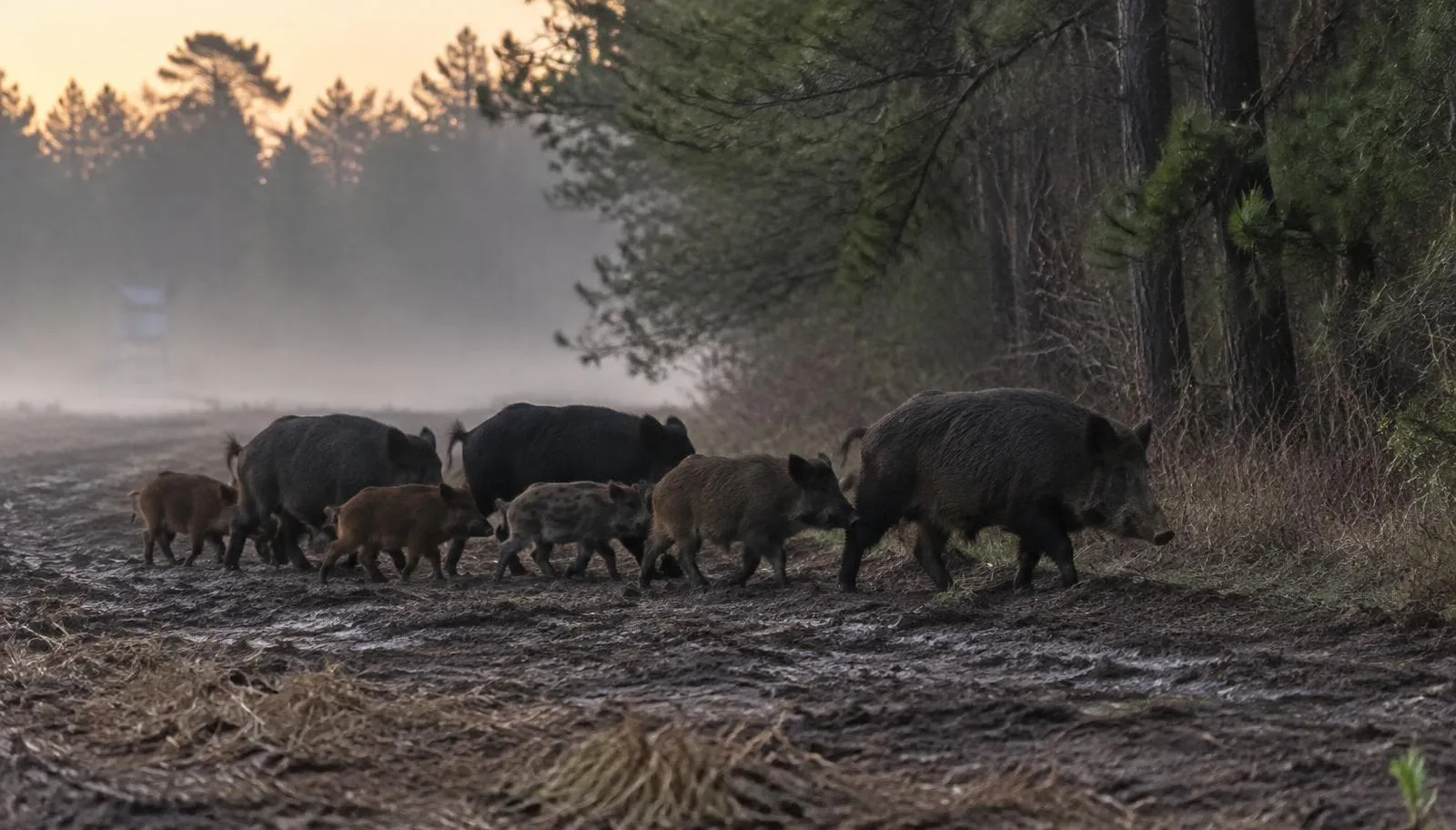
Feral hogs aren't a managed game species almost anywhere — they're an invasive, destructive nuisance that tears up crops, wrecks pasture and outcompetes native wildlife. That's exactly why the rulebook looks so different state to state. States with entrenched hog populations, like Texas and Florida, have stripped away most licensing friction on private land because the goal is fewer hogs, period. States that are still hog-free or nearly so, like Oregon and Kansas, have gone the opposite direction and made paid hog hunting illegal, because they don't want a commercial incentive that could spread animals around.
That split matters for anyone booking a hunt. A package that's perfectly legal in Texas can be a crime for the landowner to sell in Missouri. HuntHype only lists hog packages in states where paid hunts are legal, and this guide explains why some familiar hog states aren't on that list.
States where HuntHype lists hog hunts
Here's a state-by-state look at the states where paid, private-land hog hunting is legal and where HuntHype currently allows listings. Confirm 2026 details with the agency before booking — this is a summary, not the full regulation text.
- Texas — No hunting license needed to take feral hogs on private property with landowner authorization, for residents or non-residents. No closed season, no bag limit, night hunting allowed. A license is required for any other species taken on the same trip, like coyotes. See Texas night hog hunts: what's included for details.
- Florida — No license required to hunt wild hogs on private land with landowner permission, no bag limit, and night hunting with a gun and light is allowed. See Florida wild hog hunting on private land for specifics.
- Georgia — A hunting license is required for residents 16+ and all non-residents, except residents hunting land owned by themselves or immediate family. Night hunting is allowed on private land with a light carried on the hunter, not a vehicle-mounted light.
- Alabama — A regular hunting license is required, and night hunting requires a separate Nighttime Feral Swine/Coyote Hunting License for every hunter, resident or not, even on your own land.
- Mississippi — Licensing is required (residents need an All Game or Sportsman's license; non-residents need the NR All Game license). Landowners and leaseholders can hunt nuisance hogs day or night year-round on their own property; hog meat may not be sold.
- Louisiana — A hunting license is required. Night hunting on private property has been allowed since 2020 for licensed hunters and permitted non-owners, but hunters must notify the parish sheriff's office within 24 hours before hunting at night.
- Oklahoma — No license needed to hunt feral hogs on private land in daylight with landowner permission. Night hunting is limited to the deed-holding landowner or a written designee, who must register a free Night Hunting Exemption.
- South Carolina — A hunting license is required. Night hunting is allowed year-round only on land the owner has registered annually with SCDNR, with an activity report due to keep the registration current.
- North Carolina — A hunting license is generally required unless you qualify for the landowner exemption. No closed season for feral swine on private land, day or night.
- California — A hunting license and a Wild Pig Validation tag are required, even on private land, and harvests must be reported. Nonlead ammunition is required statewide for taking any wildlife with a firearm.
- New Mexico — Residents don't need a license for feral hogs; non-residents need a Nonresident Nongame or Hunting License. Night hunting with an artificial light is not allowed under the state's general rule.
- Hawaii — A hunting license is generally required, and rules vary meaningfully by island, so check the specific island's DOFAW page before booking.
- Arkansas — Landowners can address hogs on their own land, and visiting hunters typically need a valid AGFC license, but the agency actively discourages recreational hog hunting in favor of trapping — confirm with AGFC before booking a paid hunt here.
States where HuntHype does not allow hog listings
In a handful of states, paid hog hunting is either illegal or the state agency's posture makes it too legally uncertain to sell. HuntHype does not allow feral hog listings in these states:
- Missouri — Recreational hog hunting is prohibited on state conservation land and strongly discouraged everywhere else; the Department of Conservation runs an eradication program instead and says sport hunting scatters sounders and undermines trapping.
- Kansas — Sport hunting of feral swine is prohibited statewide by statute, and it's explicitly illegal to profit from killing feral swine for sport, pleasure or trophy purposes.
- Oregon — Oregon law makes it a crime to sell, or offer for sale, a hunt for feral swine on public or private land, with civil penalties and license revocation on the table. The state also reports no known established feral hog population.
- Tennessee — TWRA no longer manages wild hogs as a game species and discourages recreational sport hunting statewide, treating them instead as a destructive species to be controlled by non-hunting methods.
- Arizona — Arizona's feral hog populations are scattered and there's no established statewide hunting season or license structure for them; don't confuse feral hogs with javelina, a protected big-game species requiring a drawn tag.
What HuntHype packages actually sell
In every state where we list hog hunts, the product is private-land access plus whatever the landowner adds on top — a guide, a blind or stand, thermal gear, lodging, cleaning. There's no draw and no tag for feral hogs anywhere in the country. You're never buying a state permission slip from HuntHype; you're paying a landowner for access and services, and separately buying (or confirming you don't need) a license from the state wildlife agency.
That distinction matters legally. HuntHype never sells or transfers a personal hunting license or tag, never promises a guaranteed tag, and never claims a package works as an 'any-state' pass. Every listing should spell out what's included, the general region, dates or a date range, and the maximum party size.
Nobody sells you a hog tag, because there isn't one. You're buying access, guiding and gear — the state license is on you.
Licensing patterns to know before you book
A few patterns repeat across the legal states. First, many states drop the license requirement specifically for feral hogs on private land with landowner consent, while still requiring a license the moment you add another species like coyotes to the same trip — Texas and Oklahoma both work this way. Second, night hunting is usually the part with extra strings attached: a separate license (Alabama), a registration (South Carolina), a notification (Louisiana), or a designee restriction (Oklahoma). Third, several states that do require a license make no exception at all for private land — Georgia, Mississippi, California and Louisiana all fall in that camp for most hunters.
None of that is static. Legislatures and agencies revisit hog rules regularly because the underlying problem — hog populations spreading and doing damage — keeps evolving. Treat every bullet above as a 2026 snapshot, not a permanent rule, and check the source agency page before you travel.
Questions to ask before you book a hog hunt in any state
Whichever state you're looking at, ask the landowner or outfitter:
- Do I need a state hunting license for this hunt, and does that change if I also want to hunt varmints or coyotes?
- Is night hunting allowed on this specific property, and does it require any registration or notification?
- What's included — guiding, stands or blinds, thermal or night-vision gear, lodging, cleaning?
- Is there a bag limit set by the ranch, even though the state doesn't set one?
- How many other hunters will be on the property at the same time?
Access vs. outfitted, and what HuntHype does and doesn't do
Some hog listings are simple access days — you show up, hunt the property, and handle your own gear and cleaning. Others are full-service outfitted packages with a guide, thermal loaners and a bunkhouse. Neither is automatically better; it depends on your experience and budget. For a rundown of the trade-offs, read private-land access vs outfitted hunt. And if you want the bigger picture of what HuntHype will and won't broker, see what HuntHype does and does not sell.
If you're also interested in varmint packages like prairie dogs or coyotes, many ranches — especially in Texas and the northern plains — bundle those species with hogs on the same trip. See prairie dog hunting by state for how those packages work.
The trip itself
Whether it's a Texas night hunt over a feeder with thermal glowing green, or a daylight stalk through Florida palmetto flats, the rhythm of a hog hunt is similar everywhere: long stretches of quiet punctuated by fast, close action once a sounder commits to a feeder or a trail. Pack for the weather of the specific state and season, bring hearing protection, and settle shot rules with your guide before the first hog shows up. A good outfit has cleaning and disposal down to a system; a rougher one leaves you figuring it out yourself.
Because hogs breed fast and populations rebound quickly, most landowners welcome repeat hunters and don't cap how many trips you book in a season. That's part of why hog hunting is one of the more accessible, lower-friction hunts to book on HuntHype in the states where it's legal.
Ready to look at real listings?
Every listing comes from a landowner, land manager or outfitter whose documents we review.
Browse varmint & hog packagesFrequently asked questions
Which states let you book a paid hog hunt on private land?
Texas, Florida, Georgia, Alabama, Mississippi, Louisiana, Oklahoma, South Carolina, North Carolina, California, New Mexico and Hawaii all allow it in some form, each with different licensing rules. Arkansas allows it but the state agency discourages recreational hunting in favor of trapping.
Which states does HuntHype not allow hog listings in?
Missouri, Kansas, Oregon, Tennessee and Arizona. In Kansas and Oregon, paid hog hunts are explicitly illegal; Missouri and Tennessee discourage or restrict recreational hog hunting as state policy; Arizona lacks an established hunting structure for true feral hogs.
Do I need a hunting license to hunt hogs on private land?
It depends entirely on the state. Texas, Florida and Oklahoma waive the license for feral hogs on private land with permission; most other legal states still require one. Check the specific state's 2026 rules before you go.
Is night hog hunting legal?
In many states, yes, but often with extra conditions — a separate license in Alabama, property registration in South Carolina, a sheriff notification in Louisiana, or a landowner-designee restriction in Oklahoma. Confirm the specific state's night-hunting rule before booking a night hunt.
Can I hunt coyotes or other varmints on the same hog trip?
Sometimes, but many states that waive the hog license still require a regular hunting license the moment you take another species like coyotes. Ask the outfitter and check the state agency's rules.
Does HuntHype sell hog tags?
No. There's no tag or draw for feral hogs anywhere in the country. HuntHype lists private-land access and services; you buy any required state license directly from the state agency.
Why are hog rules so different between states?
States with large, entrenched hog populations tend to remove licensing friction to encourage more hunting pressure. States that are largely hog-free tend to restrict or ban paid hog hunting to avoid creating a commercial incentive that could spread the animals.
Official sources
Seasons, fees and rules change every year. Always confirm with the state agency before you commit.
- TPWD — Nongame and other species (2026–27 Outdoor Annual)
- FWC — Wild hog page
- GA DNR — Non-native and invasive species (feral hog regs)
- Outdoor Alabama — Nighttime Feral Swine/Coyote License
- LDWF — Outlaw quadrupeds
- ODWC — Hog (feral swine) regulations
- MDC — Feral hogs in Missouri
- Kansas Statute 47-1809
- ORS 498.180 — Sale of hunts for feral swine prohibited
- TWRA — Wild hogs page
Related guides
Hogs, varmints & access
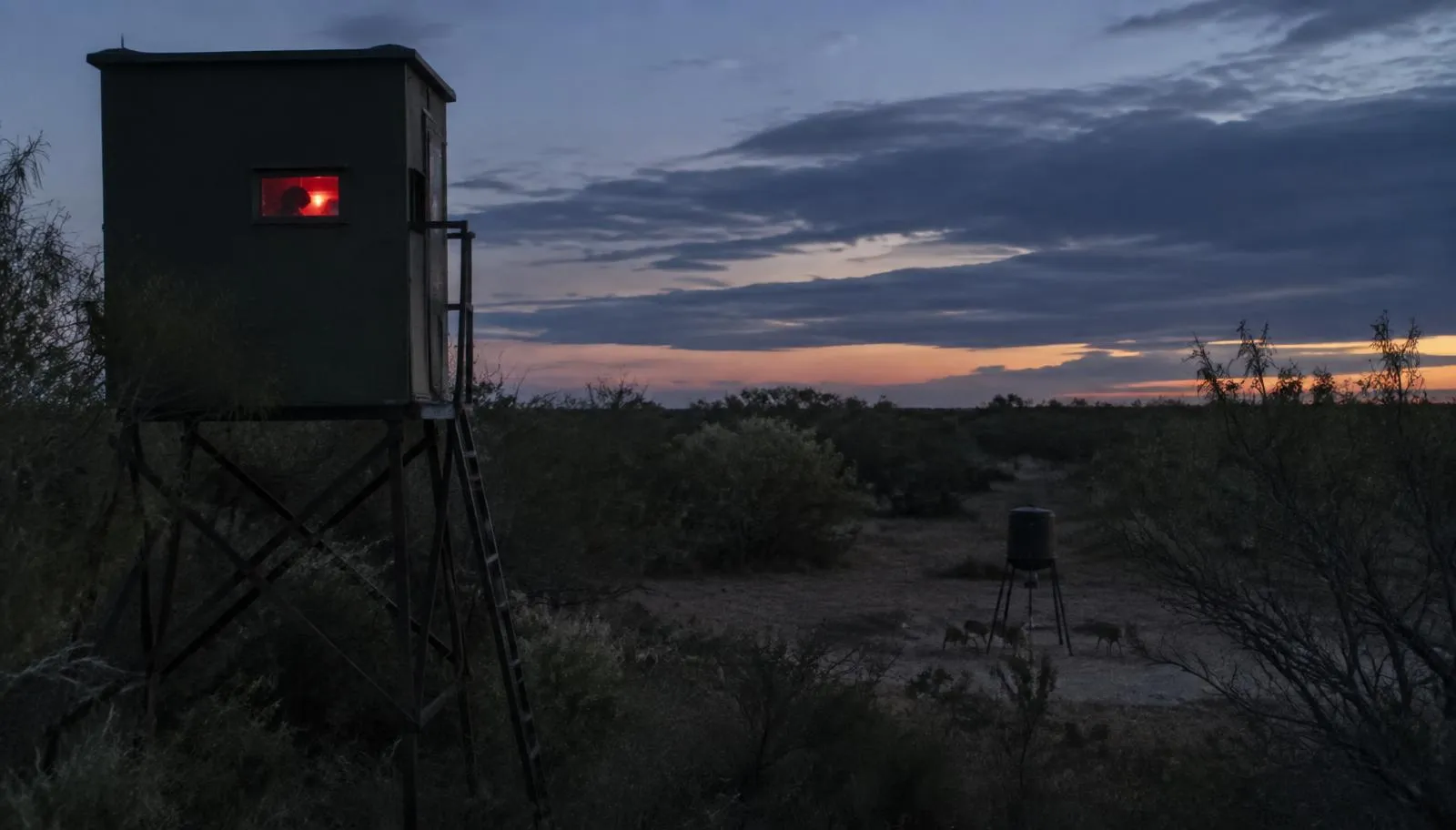
Texas Night Hog Hunts: What's Actually Included
What a Texas night hog hunt package usually includes — private land, guiding, thermal gear, lodging and cleaning — plus 2026 licensing basics and questions to ask before you book.
Hogs, varmints & access
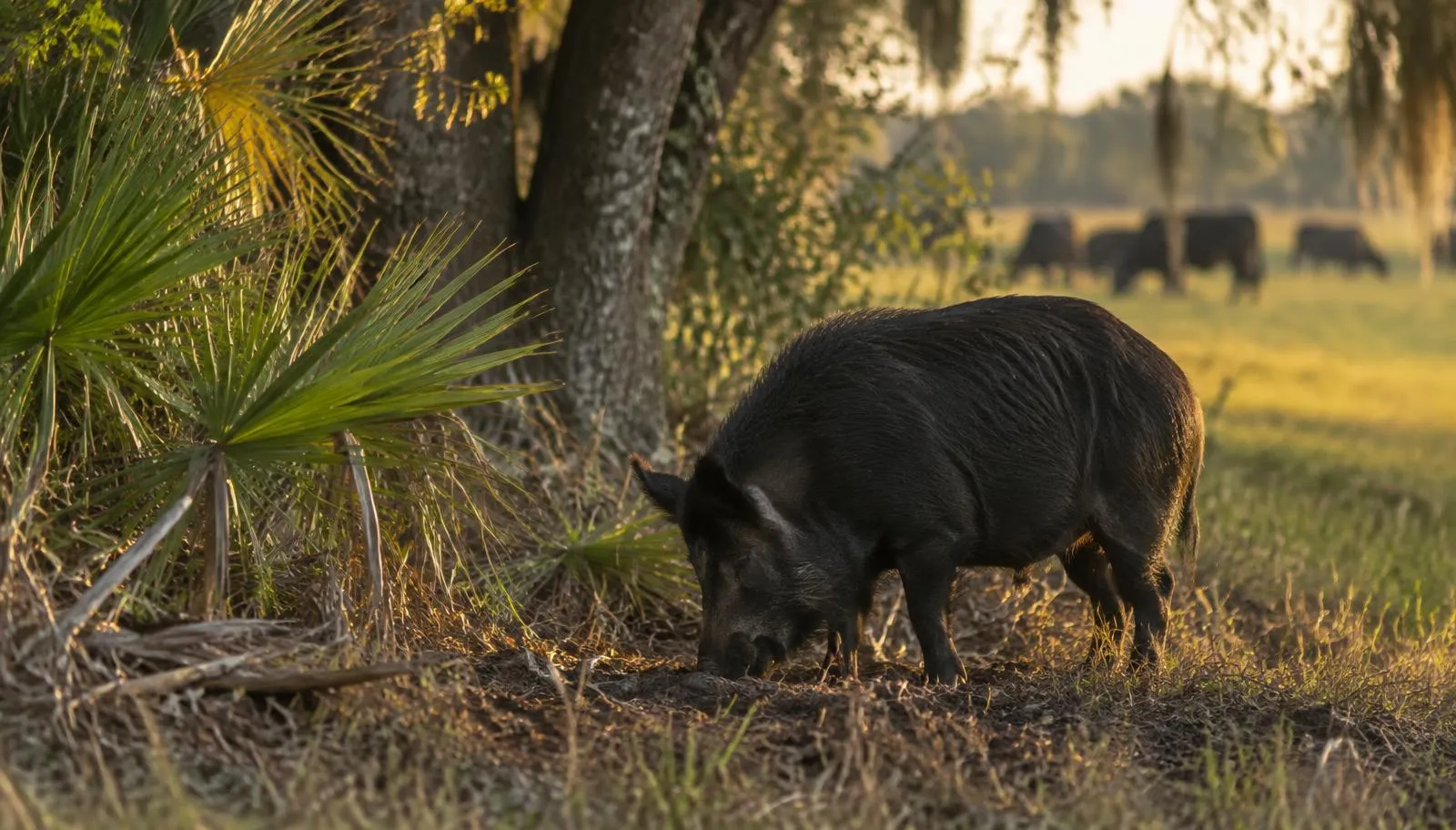
Florida Wild Hog Hunting on Private Land
How Florida wild hog hunting on private land actually works in 2026 — no license, no bag limit, legal at night — plus what a package usually includes and what to ask before you book.
Hogs, varmints & access
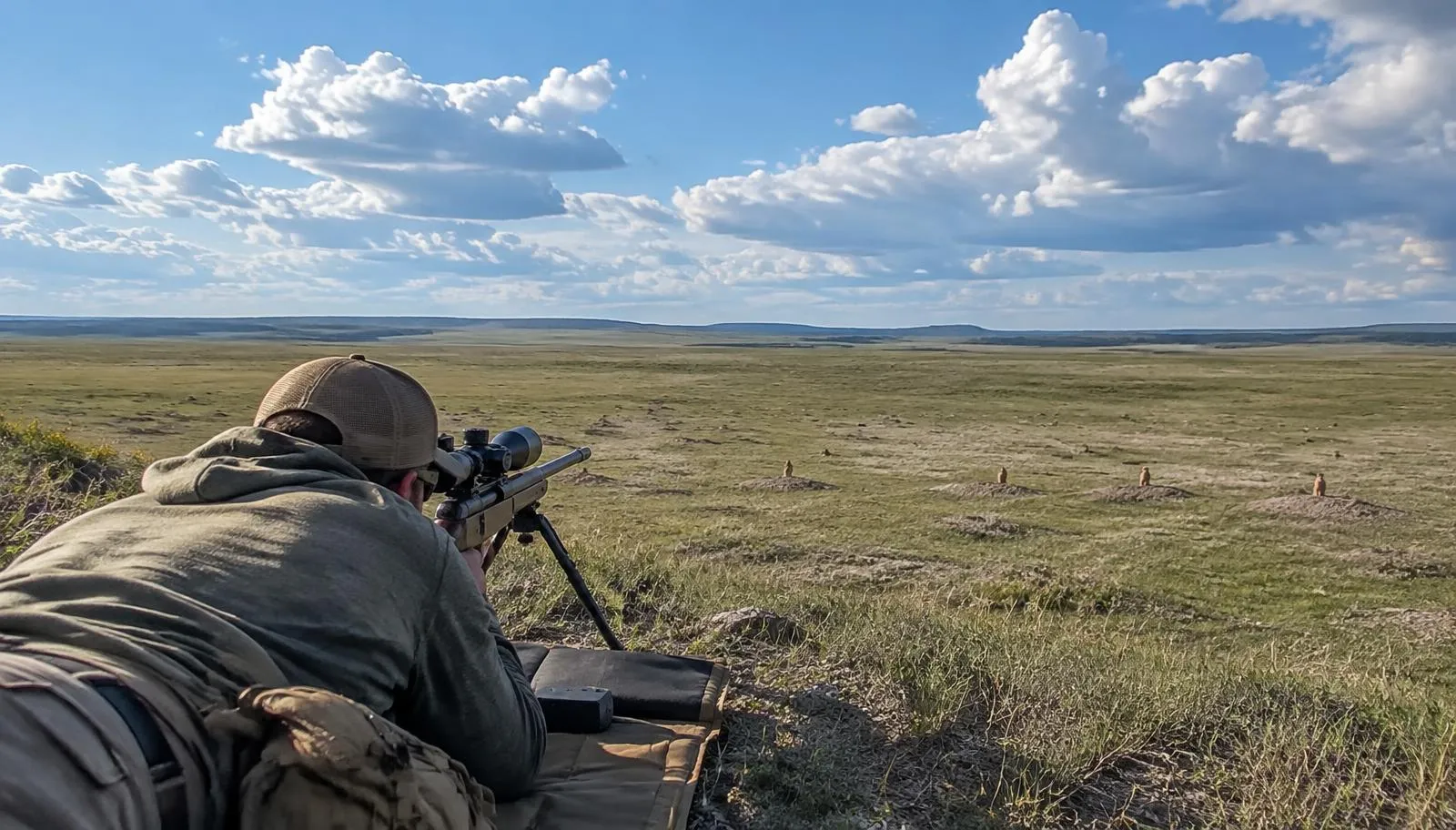
Prairie Dog Hunting by State: 2026 Rules and Where to Book
A state-by-state guide to prairie dog hunting rules in 2026 — licensing, seasons, public-land closures, and where prairie dog shoots are and aren't legal to book on private land.
Hogs, varmints & access
Private-Land Access vs Outfitted Hunt: Which Fits You
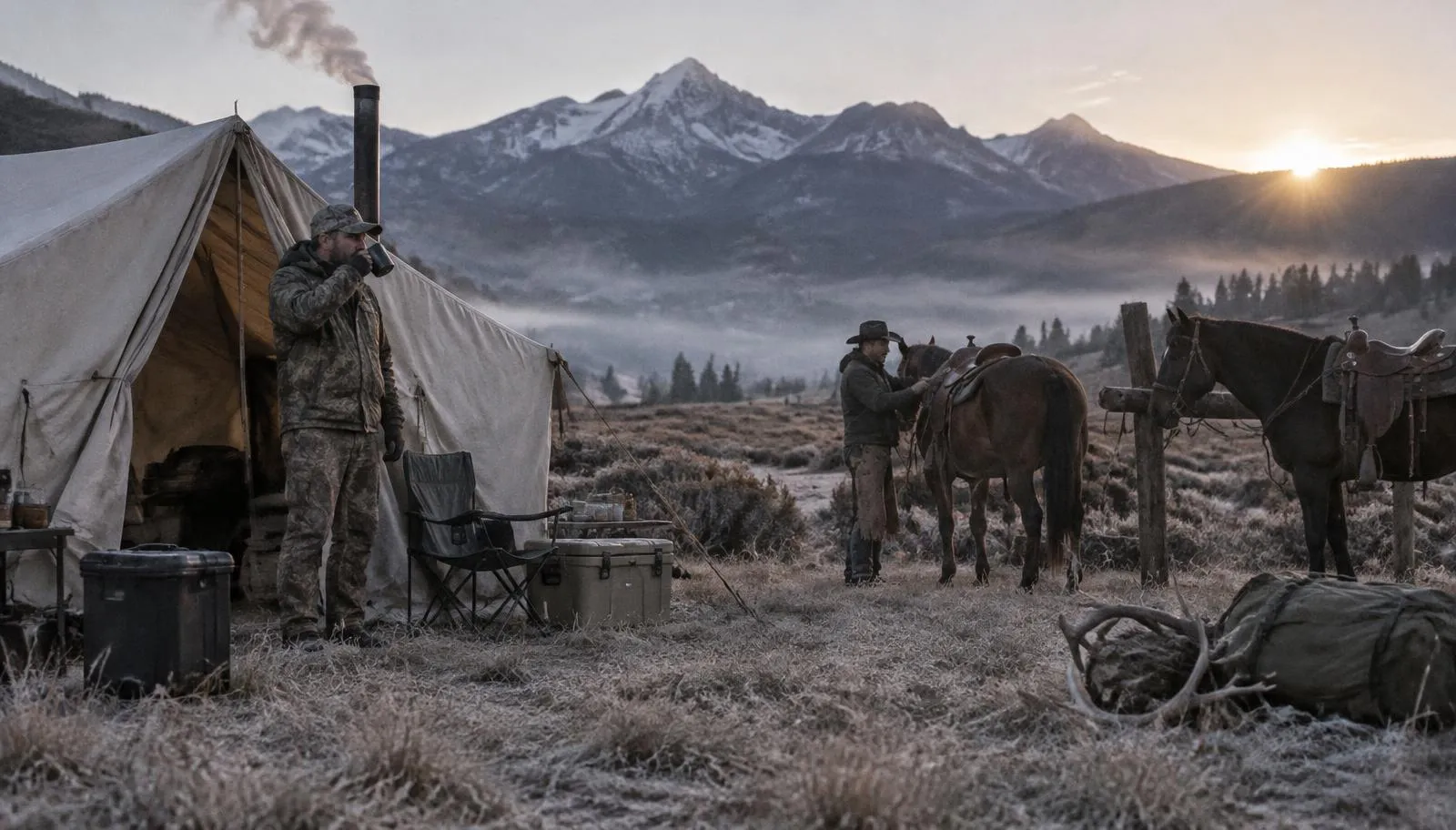
An access day gets you permission to hunt private land on your own; an outfitted hunt adds a licensed guide, camp and field care. How to decide, what each includes, and what to ask.
Legal basics
What HuntHype does and does not sell
HuntHype sells legal private-land hunting inventory: NM landowner authorizations, Texas hog and varmint packages, access days and outfitted hunts. Colorado LPP listings are contact-only. We never sell personal tags.