Prairie Dog Hunting by State: 2026 Rules and Where to Book
By HuntHype Field Desk · Published · Updated
Prairie dog rules differ mainly in whether a license is required and when public land closes, not in whether private-land shooting is allowed — it's legal across the plains states where prairie dogs live, with two big exceptions. This guide runs through licensing and season basics state by state for 2026, flags the states HuntHype doesn't list, and points out the one species — the Utah prairie dog — that's off-limits everywhere, always. Rules and fees change yearly, so confirm current details with the state agency before you book.
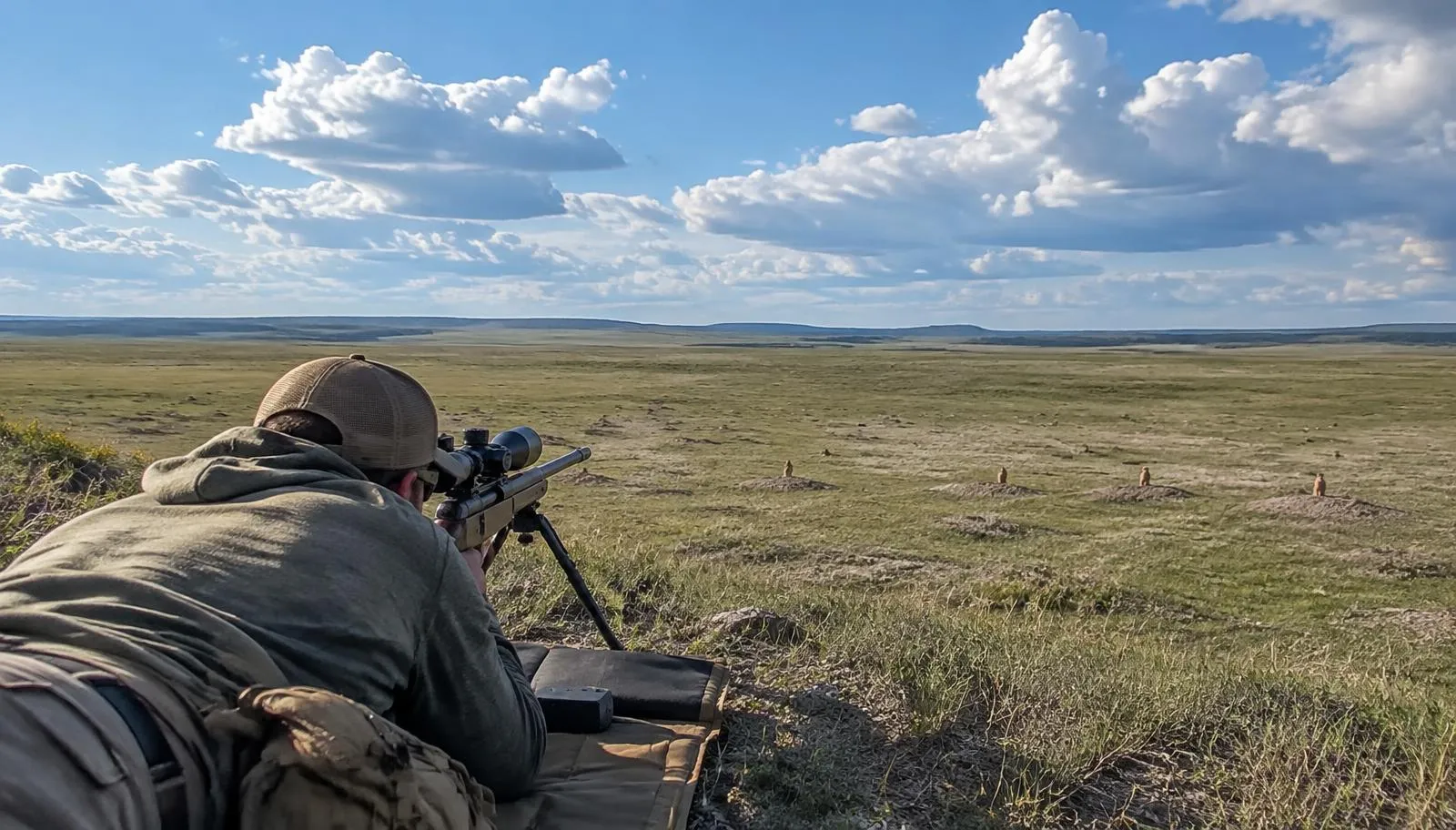
Why prairie dog hunting is mostly a private-land product
Across the northern and central plains, prairie dogs are classified as unprotected or nongame species — not managed game animals with draws and tags. That means there's no lottery to enter, no license authorization to chase, and often no license at all for residents. What you're actually paying for on a prairie dog trip is access: a ranch with active towns, permission to shoot, and whatever comfort the landowner adds — benches, a guide, lodging, meals.
Public land is a different story. Federal grasslands managed by the U.S. Forest Service, and some state trust and school lands, often carry seasonal closures tied to black-footed ferret reintroduction efforts, which is one reason private-ranch shoots are the more reliable way to book a hunt.
State-by-state rules for 2026
Here's where prairie dog shooting is legal and what each state generally requires. This is a summary, not the full regulation — confirm exact 2026 fees and dates with the agency before you travel.
- South Dakota — No license required for residents on private land; non-residents typically use a Big Game License (which SD GFP says covers prairie dogs through Jan. 31) or a predator/varmint license, plus a habitat stamp. Public grasslands like Buffalo Gap and Fort Pierre have had spring closures, and Conata Basin is closed year-round. See South Dakota prairie dog shoots on private land for a full breakdown.
- Wyoming — No license required for residents or non-residents; prairie dogs are classified as nongame. Hunter safety certification is required to use a firearm unless exempt. No closed season, no bag limit, but it's illegal to shoot from a public road. See Wyoming prairie dog and coyote hunts for how ranches there often pair prairie dogs with coyote hunting.
- Montana — No FWP license or fee required on private land with permission; prairie dogs are regulated like other nongame species. A license is only needed if you're shooting on state school trust land specifically.
- North Dakota — Residents need no license (also exempt on land they own or lease); non-residents need a Nonresident Fishing, Hunting & Furbearer Certificate plus a Nonresident Nongame License. Open year-round, no bag limit; hunting is not allowed inside national parks, and some towns sit on tribal land requiring a separate tribal permit.
- Nebraska — Treated as an unprotected/nongame species with no closed season identified; confirm the exact current-year license line item with the Small Game & Waterfowl Guide, since Nebraska's public documentation on this point is thin.
- Kansas — Residents need no license; non-residents need a Kansas nonresident hunting license. No closed season, no bag limit. Nearly all huntable towns are on private land, so landowner permission is the real gatekeeper.
- Colorado — A Colorado small game license and HIP registration are required for residents and non-residents. Private land is open year-round; public land is open only June 15 through the end of February, closed March 1–June 14. CPW also warns hunters about plague risk when handling carcasses.
- New Mexico — Residents need no license for nongame species; non-residents need a Nonresident Nongame License or hunting license. No specific closed season identified for general prairie dog hunting; nongame hunting isn't allowed on Wildlife Management Areas without specific authorization.
States and species HuntHype does not allow
Two situations are off the table everywhere on HuntHype, regardless of landowner willingness:
- Arizona — Gunnison's prairie dog (the only species present in Arizona) has no open hunting season; the state treats it as a species of greatest conservation need and actively manages and relocates it for black-footed ferret recovery rather than permitting take. HuntHype does not list prairie dog hunts in Arizona.
- Utah prairie dog, anywhere — This species is federally listed as threatened under the Endangered Species Act, and take is prohibited even on private property except under specific USFWS authorization. HuntHype never lists Utah prairie dog hunts, in Utah or anywhere else, full stop. Utah's other two species — white-tailed and Gunnison's prairie dog — are separately regulated with their own seasons and a spring closure statewide.
What a prairie dog package typically includes
Prairie dog listings are usually priced per shooter per day, per group per day, or as a multi-day package with lodging. What's included varies:
- Access to one or more active towns on the ranch, with the general region listed.
- A guide or ranch hand to show you active towns and explain property rules.
- Shooting benches, mats or shaded setups — or a note that you bring your own.
- Lodging and meals on multi-day packages.
- Coyote or other varmint opportunities, where the landowner allows it.
There's no lottery for prairie dogs anywhere. The listing itself — the towns, the rules, the landowner — is the whole product.
Public land closures and tribal land
Federal grasslands are the biggest wildcard in this guide. The U.S. Forest Service has historically closed prairie dog shooting on parts of the Buffalo Gap, Fort Pierre and Grand River National Grasslands from March 1 through June 14 to protect black-footed ferret reintroduction areas, with Conata Basin closed year-round. Colorado's public-land closure follows a similar spring window. None of this applies to private ranches, which is a major reason private-land shoots dominate the market and why spring bookings lean heavily toward private land.
Tribal land adds another layer. In South Dakota and North Dakota, a state hunting license is not valid on tribal trust land unless the tribe authorizes it, and some prairie dog towns straddle reservation boundaries. If a ranch sits inside a reservation but on land deeded to non-Indians, a state license still applies; if it's tribal trust land, you need the tribe's own permit instead. Always ask the landowner which situation applies to a specific property.
Questions to ask before you book
A few questions before you reserve save a wasted trip:
- How active are the towns right now, and how many acres of colony are there?
- Do I need a state license, and if I'm a non-resident, which one?
- Is any part of this property tribal trust land requiring a separate permit?
- Are there caliber, shooting-direction or distance rules near buildings and livestock?
- Is pricing per person or per group, and what's the maximum party size?
- What happens if a weather day shuts down shooting?
Timing and gear
Most shooters prefer late spring through early summer, when young prairie dogs are above ground and towns are at their most active — which happens to line up with when several public-grassland closures lift. Colonies can go quiet during midsummer heat and after a cold snap, so ask the landowner which weeks have produced the best action in recent seasons.
Bring a stable bench or bipod, a spotting scope, plenty of ammunition, a rangefinder, and a wind meter — wind is constant on the open plains and affects every shot. Hearing and eye protection are non-negotiable given the round count on a good day. Confirm caliber preferences with the landowner in advance; some ranches restrict certain directions because of buildings, roads or livestock.
Pairing prairie dogs with other varmints
Many ranches, especially in Wyoming and the Dakotas, combine prairie dog shoots with coyote hunting on the same property, since both are managed as unprotected or nongame species with no license needed in several states. See coyote hunting on private land by state for how that pairing usually works, and Wyoming prairie dog and coyote hunts for a state where the combination is especially common.
If hogs are more your target, a separate set of states and rules applies — see feral hog hunting on private land by state. And for the general trade-off between a simple access day and a full guided package, read private-land access vs outfitted hunt.
Booking on HuntHype
Every varmint listing on HuntHype shows dates or a date range, party size, what's included and the general region. You reserve through HuntHype, and funds are held until the seller confirms fulfillment instructions. HuntHype never sells or transfers a personal hunting license, never promises a guaranteed tag, and never lists an 'any-state' pass — you always buy your own required license directly from the state agency, and the landowner's permission is what makes the hunt legal in the first place.
Ready to look at real listings?
Every listing comes from a landowner, land manager or outfitter whose documents we review.
Browse varmint packagesFrequently asked questions
Do I need a license to hunt prairie dogs?
It depends on the state and residency. Several states, like Wyoming, Montana and Kansas (for residents), require no license at all on private land. Others, like Colorado and non-resident hunters in South Dakota and North Dakota, do require one. Check the specific state's 2026 rules.
Which states does HuntHype not allow prairie dog listings in?
Arizona, because Gunnison's prairie dog has no open hunting season there. HuntHype also never lists Utah prairie dog hunts anywhere, since that species is federally listed as threatened.
Is there a season for prairie dogs?
On private land in most legal states, no — it's typically open year-round with no bag limit. Public land, especially federal grasslands, often has a spring closure (commonly March 1–June 14) to protect black-footed ferret reintroduction areas.
Can I hunt prairie dogs on tribal land?
Not with just a state license. State licenses generally aren't valid on tribal trust land unless the tribe authorizes it; you'd need the tribe's own permit. Land within a reservation but deeded to non-Indians still requires the state license.
What's the difference between prairie dog hunting and a draw-tag hunt?
Prairie dogs aren't a draw species anywhere. There's no lottery, license authorization or tag — you pay the landowner for access and services, then buy any required state license separately.
When's the best time to book a prairie dog shoot?
Most shooters prefer late spring through early summer, when towns are most active and young prairie dogs are above ground, which also tends to line up with when public-land spring closures lift.
Can I hunt coyotes on the same trip as prairie dogs?
Often, yes — many ranches, especially in Wyoming and the Dakotas, offer both, and several states treat both as unprotected or nongame species. Confirm each species' license requirement separately, since they don't always match.
Official sources
Seasons, fees and rules change every year. Always confirm with the state agency before you commit.
- SD GFP — Prairie dog hunting FAQ
- SD GFP — Nonresident license information
- SD GFP — Prairie dog hunting page
- Wyoming Game & Fish — What do I need to hunt prairie dogs in Wyoming?
- Montana FWP — Predator (nongame) shooting regulations
- North Dakota Game and Fish — Hunting: Other species
- Kansas KDWP — Prairie dogs page
- Colorado Parks and Wildlife — Chapter W-3 season dates
- AZGFD — Arizona Wildlife Conservation Strategy: Gunnison's prairie dog
- Utah DWR — Information about Utah prairie dogs (federally threatened)
Related guides
Hogs, varmints & access
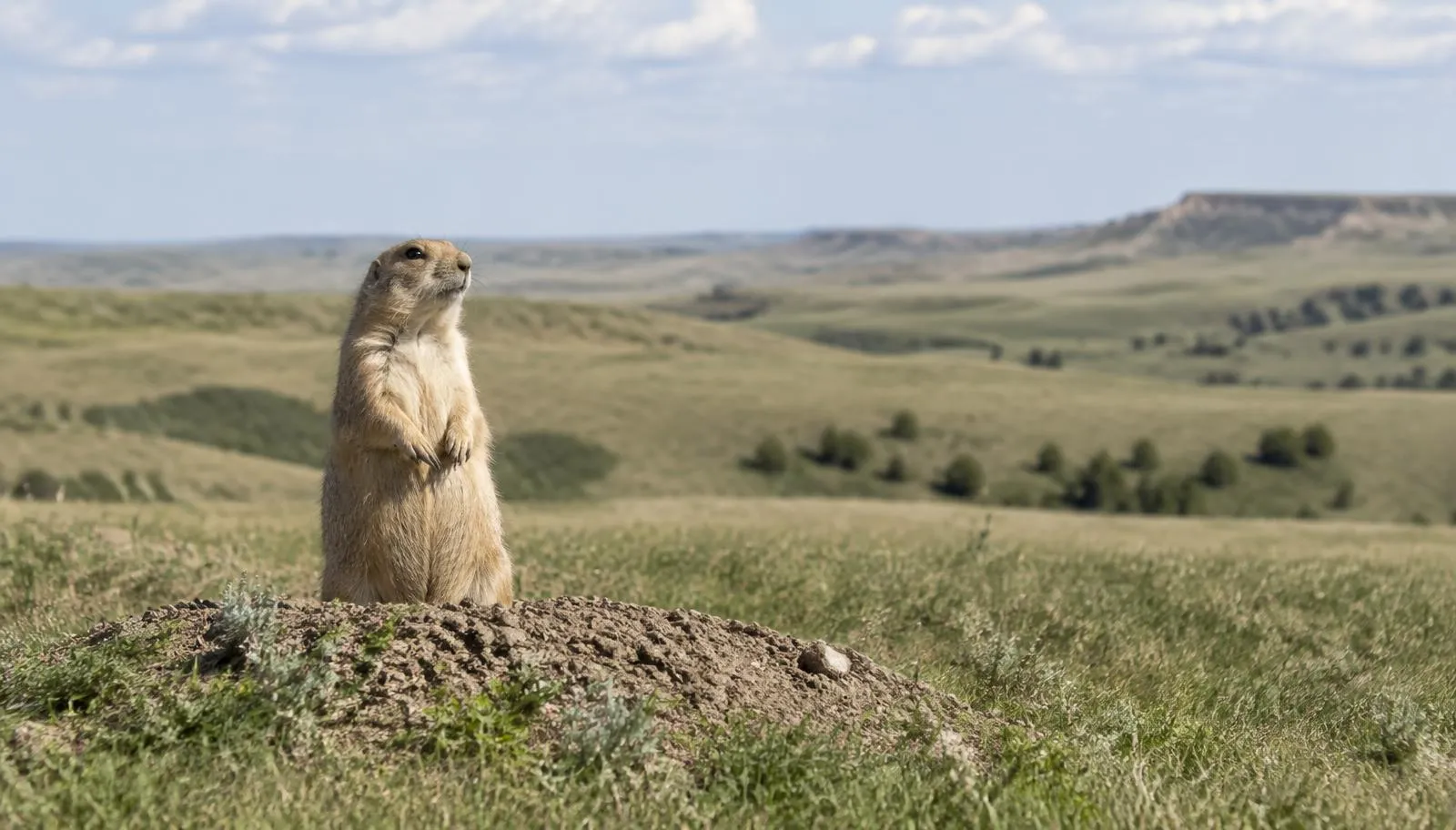
South Dakota Prairie Dog Shoots on Private Land
How South Dakota prairie dog shoots on private ranches work: pricing per day or group, what's included, 2026 licensing basics, and questions to ask the landowner before you book.
Hogs, varmints & access
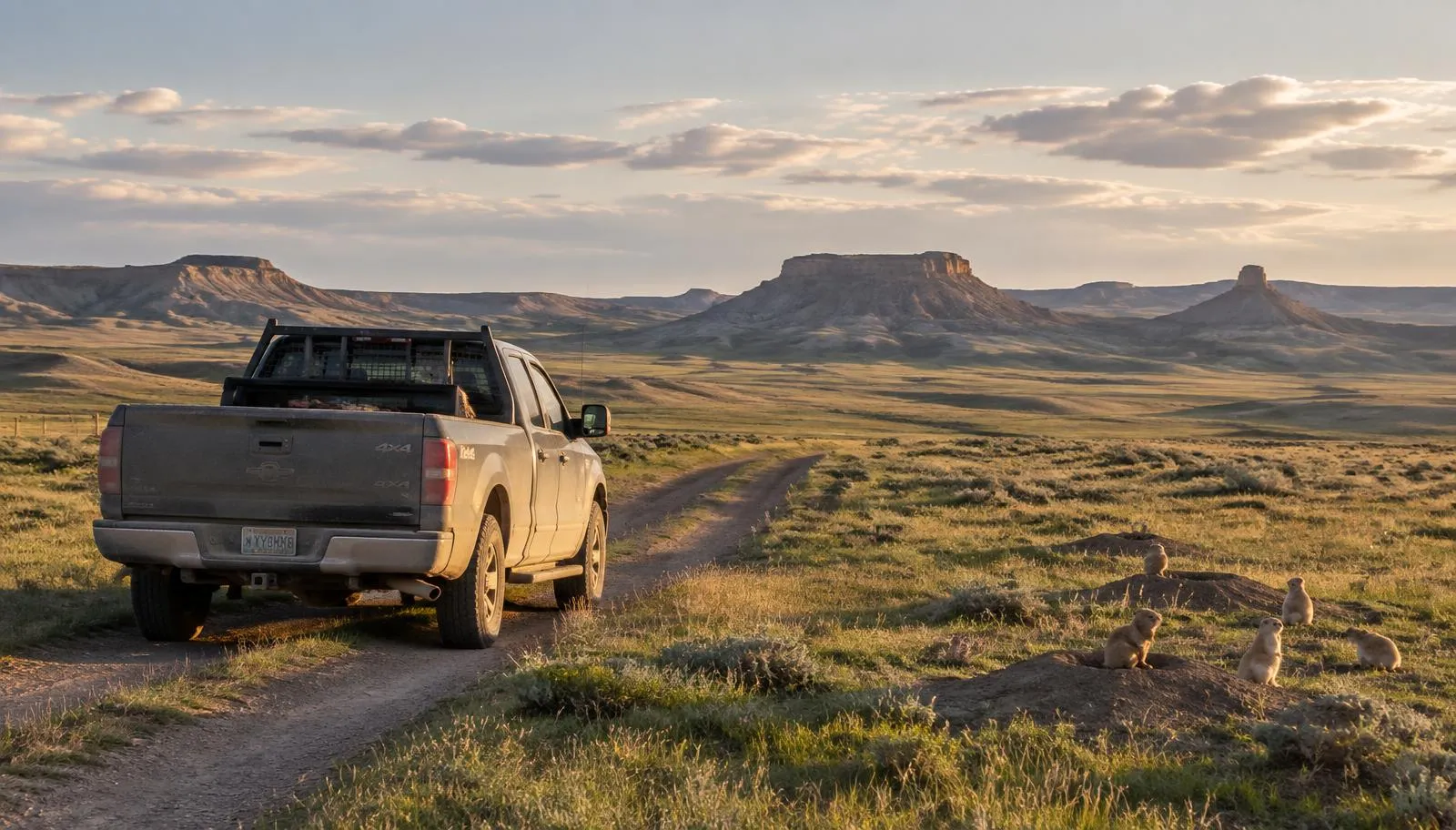
Wyoming Prairie Dog and Coyote Hunts on Private Land
How Wyoming prairie dog and coyote hunts on private land work in 2026: no license required for either species, how packages are priced, and what to ask before you book.
Hogs, varmints & access
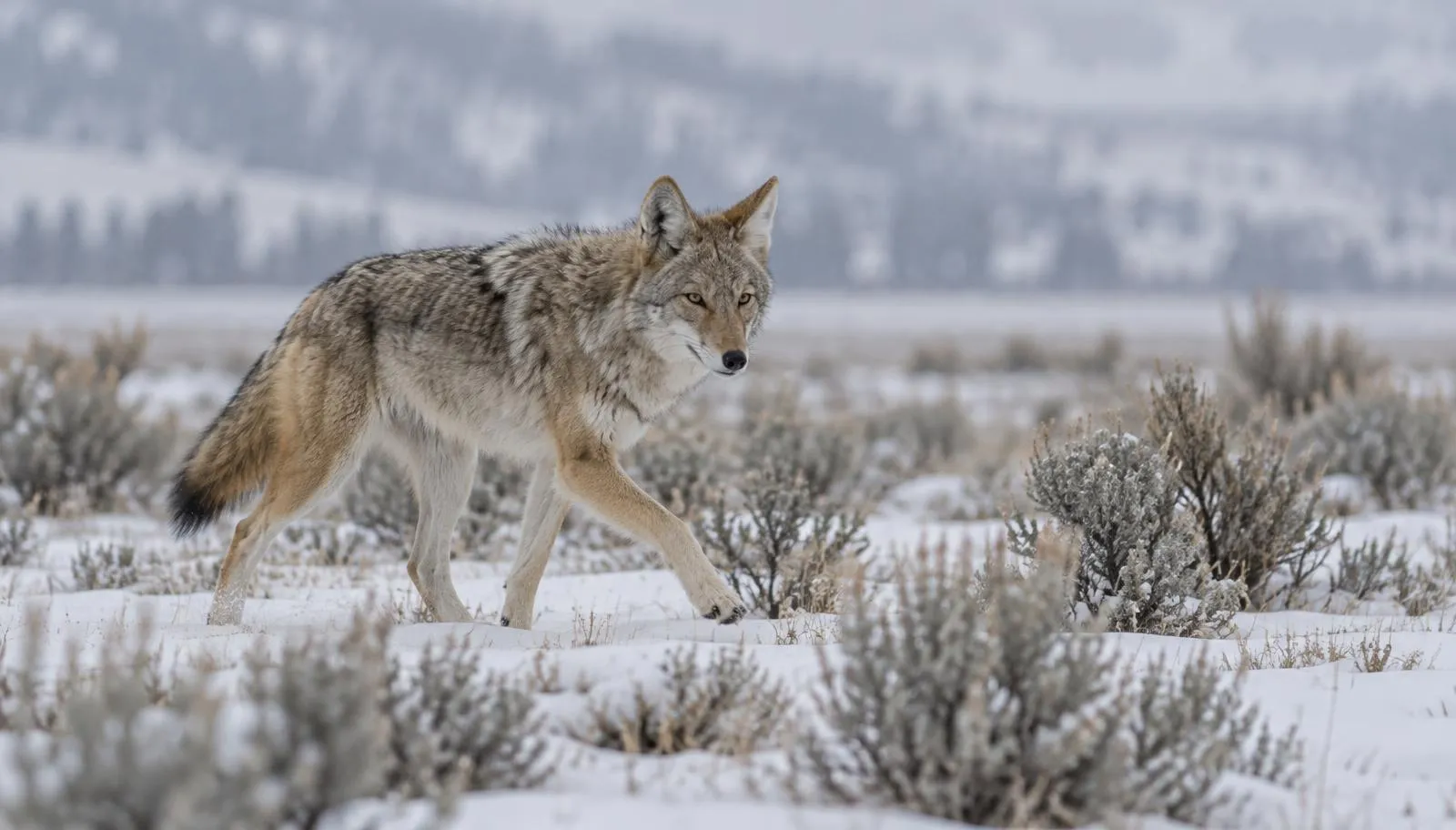
Coyote Hunting on Private Land by State (2026)
A state-by-state look at coyote hunting rules for private land in 2026: which states need a license, which ban contests, and what night-hunting rules apply. Confirm current rules with each agency.
Hogs, varmints & access
Feral Hog Hunting on Private Land, State by State
A 2026 state-by-state look at feral hog hunting rules on private land — where it's legal to book a paid hunt, where it's banned, and what license each state actually requires.
Hogs, varmints & access
Private-Land Access vs Outfitted Hunt: Which Fits You
An access day gets you permission to hunt private land on your own; an outfitted hunt adds a licensed guide, camp and field care. How to decide, what each includes, and what to ask.